Category Archives: Concept Images

In print again

This is another post that is a little overdue in being completed, but is part of my New Year resolution to get more content on the site.

The completed “Buzz at the Hive” image

Each year the Photographic Society of New Zealand publishes a hard copy book that profiles images submitted from its members. The number of submissions always exceed the available space so it is quite an achievement to get an image selected.  Each year the book includes a special section where your are asked to submit to a theme. The theme for the 2018 edition was “Kiwiana”.

For my overseas readers New Zealanders refer to themselves as “kiwis” (coming from our national bird and not the shorten version of kiwifruit). Kiwiana is a set of images that depict those things that we would instantly recognise as part of the culture.

When the theme was announced I know instantly what I wanted to submit. A classic Kiwi toy is a wooden pull-along called “Buzzy bee”, and our parliament building executive wing is called the Beehive. Therefore all I had to do was capturing buzz at the hive.
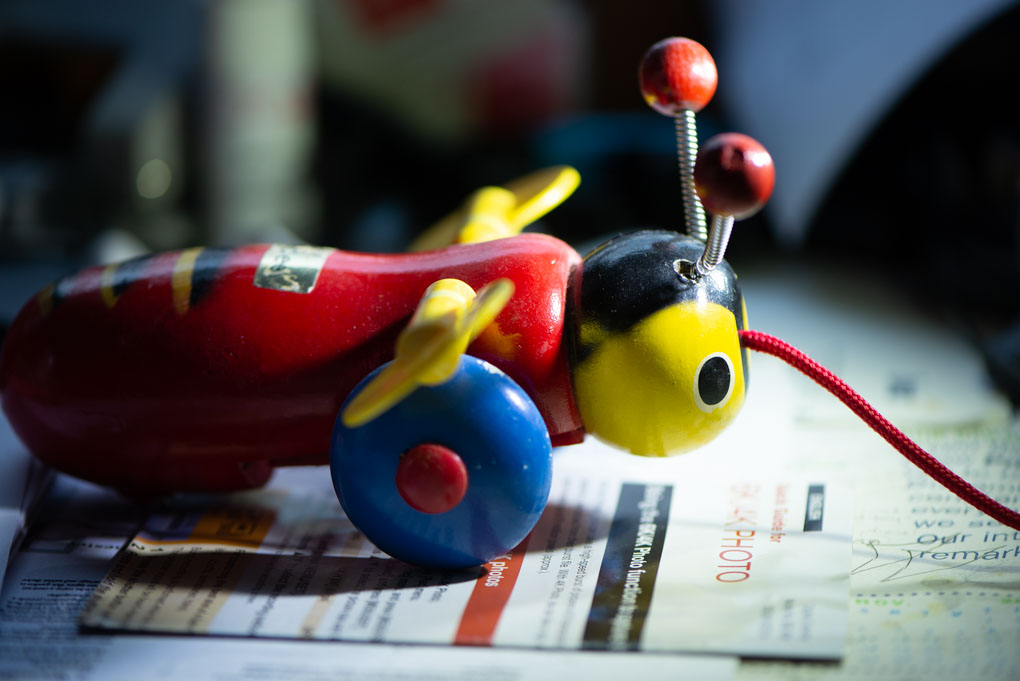
The Buzzy Bee

The process was relatively straight forward. I figured out the angle I wanted with the camera on a tripod and then shot a blank plate of the buildings. As I wanted the image reasonable in focus across a wide range the camera was set at f20. I had to take several images so i could remove the tourist who were milling around it.

The Parliament complex with the Beehive in the background

I had originally planned to attach the bee to a cross pole by way of fishing nylon, but my wife rightly pointed out that this would be very hard to control. We therefore settled on clamping it underneath to the boom pole. She then proceeded to wave the bee round as I took multiple shots.

Once back at the office I downloaded the images and then went through and worked out which worked best. It was then a relative simple matter of loading the images into a stack in Photoshop and masking out what I didn’t want. As the images had all been shot in the same location this was a relatively simple process with the only area requiring more work was were the pole had attached to the bee.

Then to make the image more realistic I add shadows to the ground under the bees closest to the camera.

I had high hopes that the image would be selected and was really pleased that it was. That made the third image selected over the years for the publication.
Witchy women

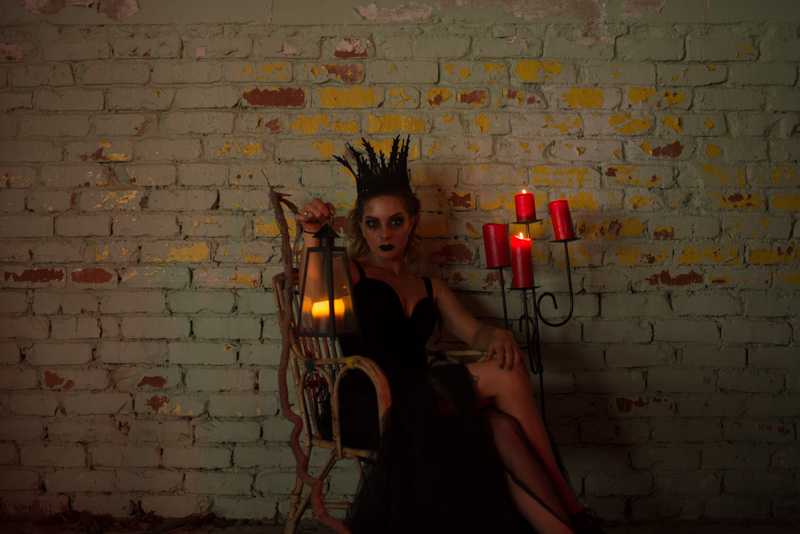
Earlier this year I took part for the second year running in the Great Trentham Collaboration (GTC). This is a two day event that brings together designers, hair & makeup artists, models and photographers.

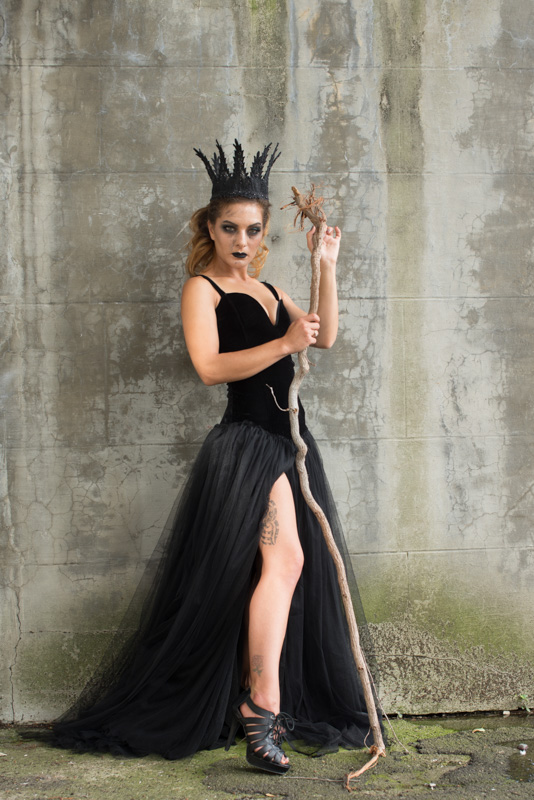
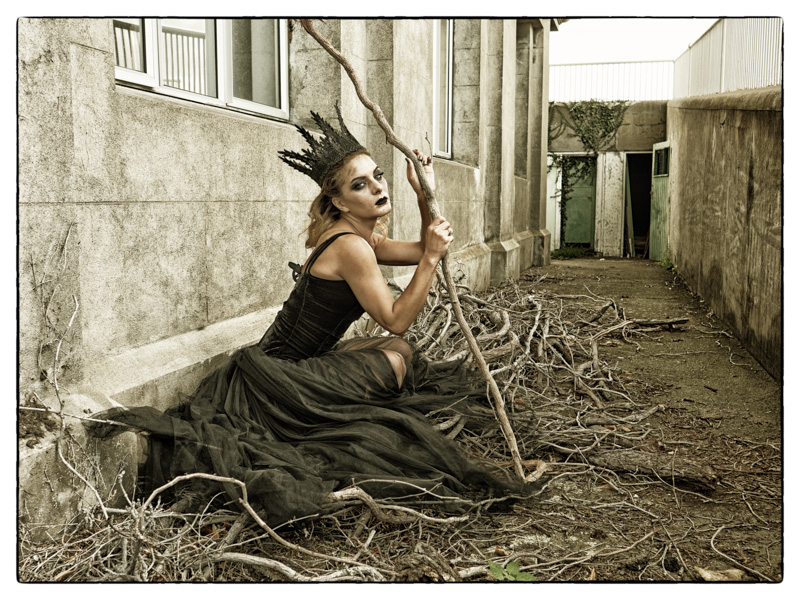
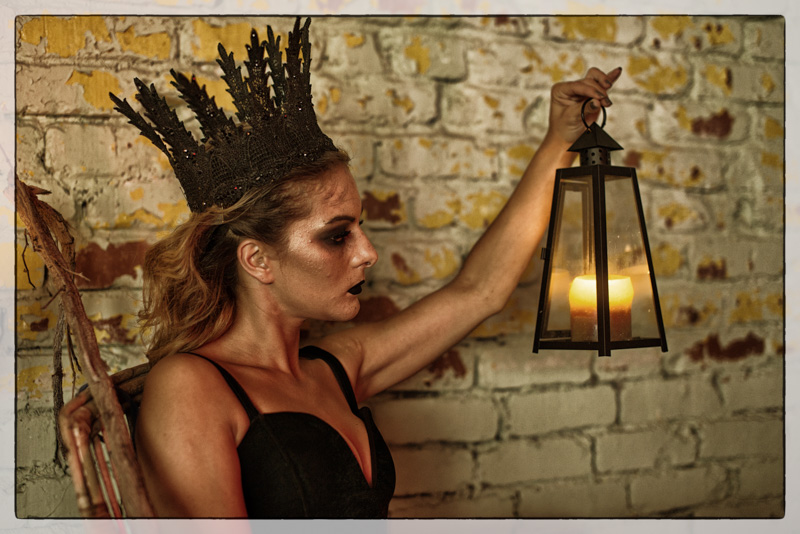
For my shoot with Kafleen McKenzie we wanted to go with a witchy theme so we chose a black dress designed by Deranged fashion, with a headpiece designed by Nicola Robinson. Eden Gibbons then created a very wild look with the makeup.

We started the shoot in the area under the stairs of the old grandstand using a mixture of ambient and flash light. 

We then moved to a tangle of vines which created the first image above, but was a pain to extract from the tulle of the dress.

We finished up with a relatively simple shot in front of plain wall.

Milk Shoot with Evie (NSFW)

Milk-dressOne of things that attracted me to the Lumix G9 was it’s very high shutter speed and high frame rate. While I was evaluating the camera I did a series of images freezing water at something like 1/2000 second.
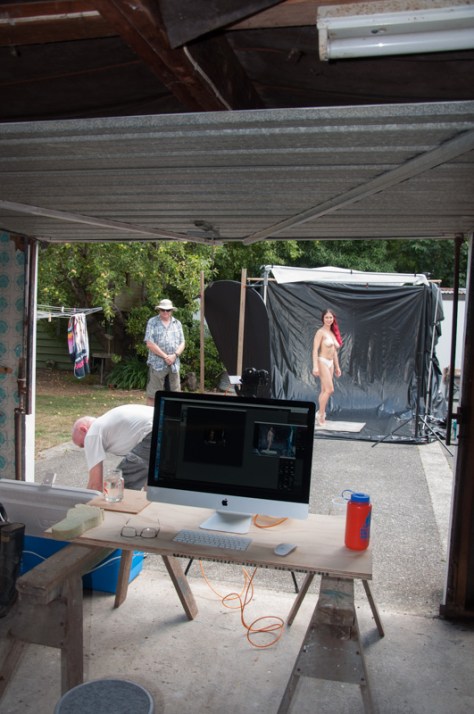
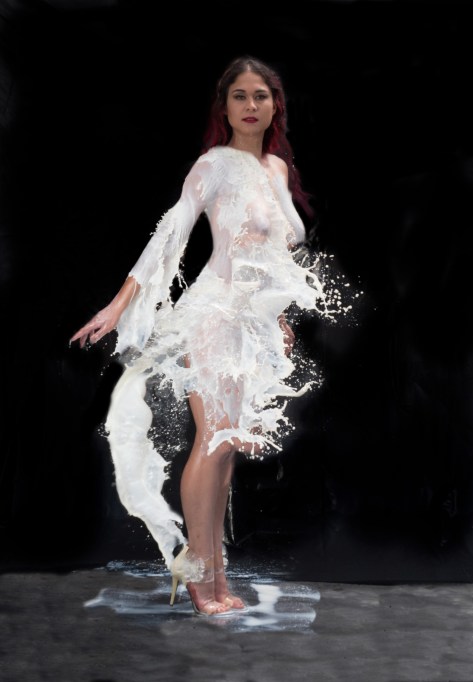
Now that I had the camera I wanted to put it through it’s paces and see if I could create a milk dress. This is a relatively simple concept. Find a willing naked model. Thow milk on them taking lots of shots and then in photoshop merge them together to create a dress.

Traditionally the approach is to shoot inside in a studio using flash to freeze the action. The camera is set to the maximum sync speed and it is the shortness of the flash duration that achieves the result. This is effective but it means that you only get one image for each throw.

I wanted to do it completely different and shoot outside under natural light. This let me use a higher shutter speed and more importantly using the burst function meant that I could capture the entire throw.

A facebook post got me a willing model (Evie), a makeup artist (Ania) and two assistants (Peter & Nick), and the shot was set to kick up at 1:00pm.

Knowing that I would be dealing with the potential of harsh light I built a 2 metre x 2 metre scrim out of PVS piping and frost-cloth. All up it costs around $25. Then I bought a sheet of 4×5 metre black polythene that was used as the backdrop. Three pieces of timber were placed under it to create a small pond.

BTS_Milk-9
The setup with the overhead scrim and black plastic forming the backdrop and floor
BTS_Milk-7
The camera was tethered to the computer which was located in the shade of the garage.

As Evie was going to be wearing heels, I placed a small piece of rubber under her feet so that she would not go through the material.

12 litres of milk was purchased and left in a chilly bin overnight. Several clips that I had seen had recommended that you warm the milk. We did not do that as the forecast temperature for the shoot was 27 degrees so I figured that cooler milk wold be refreshing.

I moved my mac to the garage and tethered the camera to it. This meant that the camera was well away from the mess, and also I could see the images coming off in greater detail. Panasonic has a very good tethering app that lets you have full control over the camera. This was good especially when I discovered that there is no support in Lightroom for tethering from the camera.

Shooting outside is always a challenge. While the day had no wind, cloud kept coming over and that meant that we had to boost ISO to maintain the shutter speeds I wanted.

I had developed a plan of how to place the milk starting from the top down. It took a little time to work out what the appropriate quantity of milk was.

BTS_Milk-5
We used various amounts of milk at different stages to get different looks

We ended up shooting for around a hour getting around 500 photos. By this time the milk had got quite warm and was starting to smell. Evie was very grateful when I called the shoot to an end. We initially used the hose to wash her down before she headed to the shower.

Later that night I did a quick edit and picked the bets images and mashed them together. I will probably re-edit is later when I have more time.

Overall for a first effort I am reasonable pleased with the results.

WoW

LyndalWOW-13The World of Wearable Arts is an international competition and show spectacle held annually in Wellington. While it has small beginnings in Nelson, it has grown into a multi day event that attracts designers from around the world. They create fantastic outfits.

LyndalWOW-1I was lucky enough this year to help some of the designers shoot their “look books” which is part of the entry to the competition. The shoot took part several months ago but as Lyndal was successful in being accepted for the show, we could not release the images until after it.
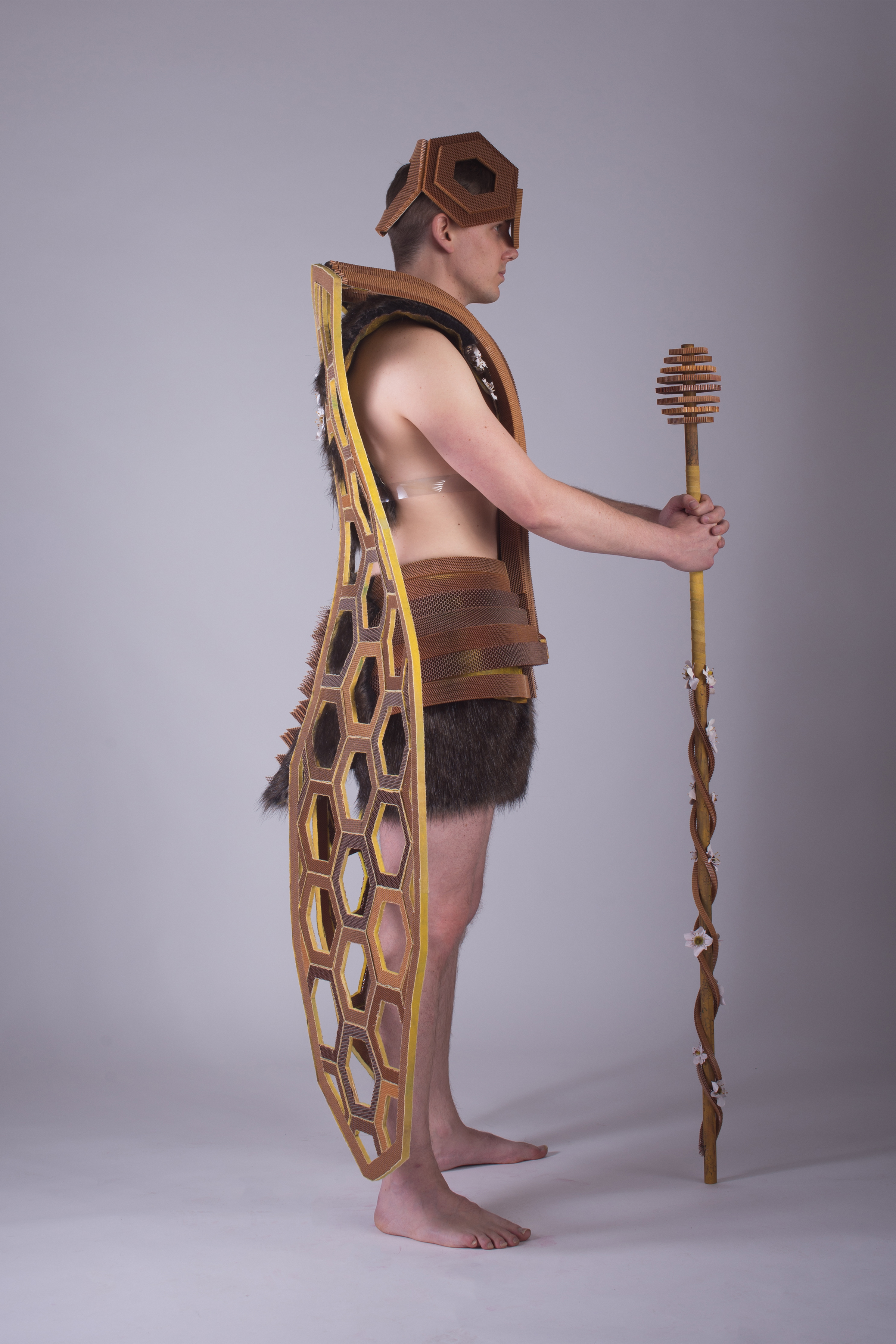
In addition to the entry images we were able to be creative. This was a little difficult as none of the photographers knew what the designs looked like ahead of time. Further complicating my images, Lyndal was sharing her model with another designer.

As it turned out the weather on the shoot day was not the best, and as goose-bumps are really difficult to correct in post. I therefore decided to shoot in studio using my 7 foot umbrella and a reflector for fill. This meant that I was focused more on light and shadow.

Triquetra

Sometime projects take a little while from their shooting to when they are revealed. This is certainly the case of a shoot that was held over two years ago. I had answered a casting call from a local artist who was seeking photographers to collaborate in an art project. The artist was twice World Champion bodypainter Sofia Bue and the project was a book and exhibition called “Bodies of Art”. I had seen Sofia’s work previoulsy when she was one of the tutors at the BodyFX conference I had photographed.

We met and obviously clicked as one Sunday in 2015 we all gathered in a studio at Trentham racecourse to do the shoot. It was probably one of the largest collaboration I have been involved with. It involved three models (Sophia Sparks, Imogen Stone & Amelia McCarthy) , Sofia and two assistants and a behind the scenes videographer. It took Sofia nearly five hours to fully paint the models and then we shot for nearly two hours.

The lighting for the shoot was fairly simply. Two softboxes placed of each side of the group at about a 10% angle so not quite rim lighting. A reflector was used in some of the shots to get a little bit more light.

Following the shoot the process of turning them into a final product took considerable longer than I would have imagined.  In the end Sofia turned to crowdfunding to get it out the door. This process was successful and I cant wait to see it when it arrives early in 2018.

World Photo Day with Nikon

Saturday 19 October is World Photo Day, and this year Nikon New Zealand organised three events around the country each hosted by one of their ambassadors. Fortunately  one of them is Esther Bunning who lives just over the hill in Greytown. She is a grand master photographer who runs a studio along with her husband Terry.

She is known for a very etherial style of shooting using natural light, double exposures and textures mainly captured in camera rather than in post. At the 2017 NZIPP Iris awards she took away the highest print score for one of her images.

Esther has organised three models for the day. Justine is a choreographer dancer who has been Esther’s muse for a number a shoots. With her were Keziah and Aislin.

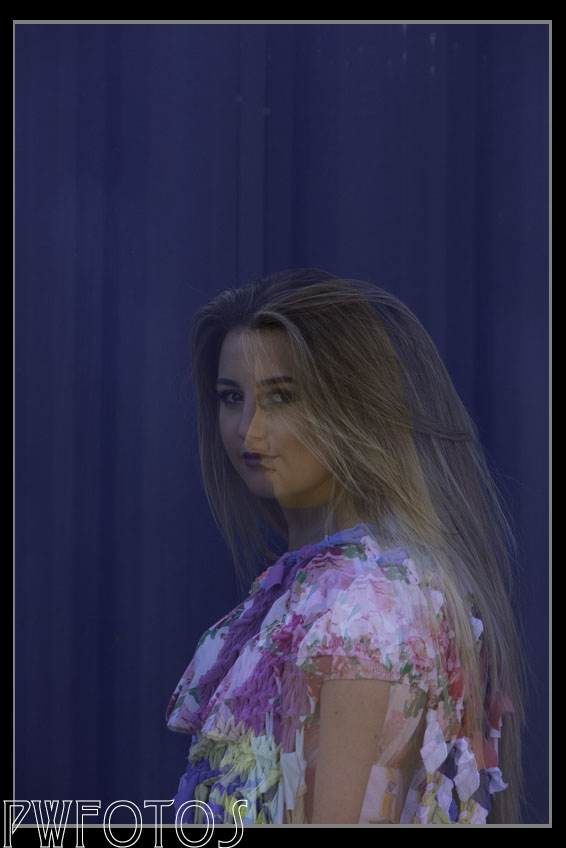
She is mainly a natural light photographer so when the weather delivered a much better result than was forecast we all headed outside into a car park where some large blue containers provided an interesting background.

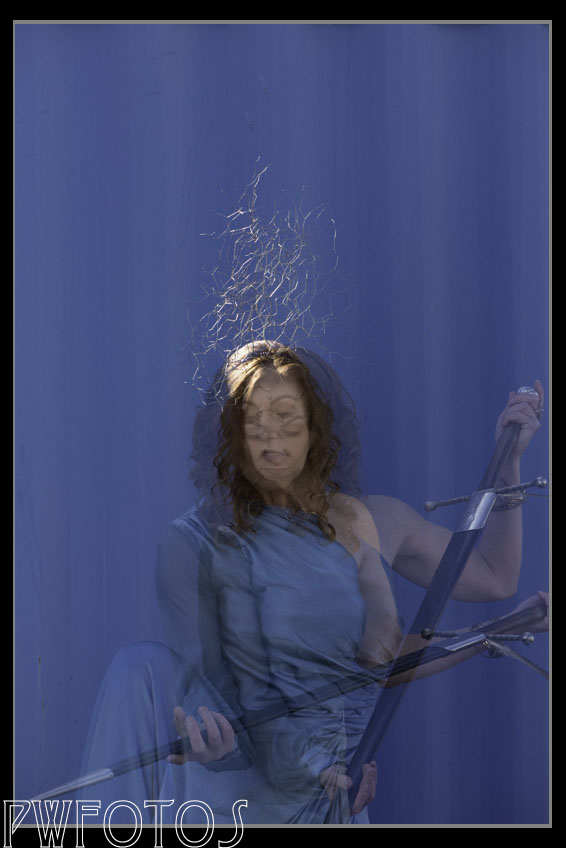
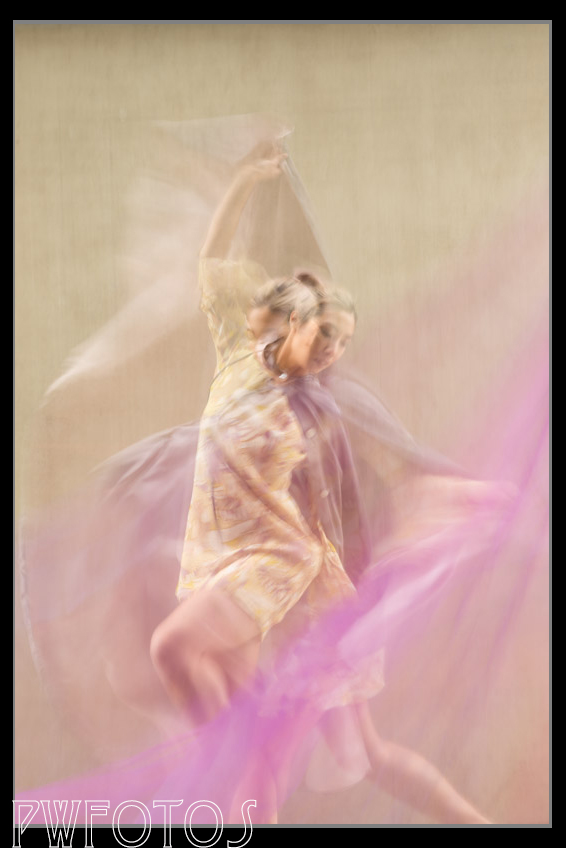
The idea was simply to play with different settings such a multiple exposures, and also putting stuff in front of the lens to see what would happen. This is really experimental shooting as you are never really sure what the result will look like before you shoot it. It is also stuff where you will be fooling the cameras metering and focusing so it all done in manual modes.

Double exposure as Justine danced
Double exposure with Aislin
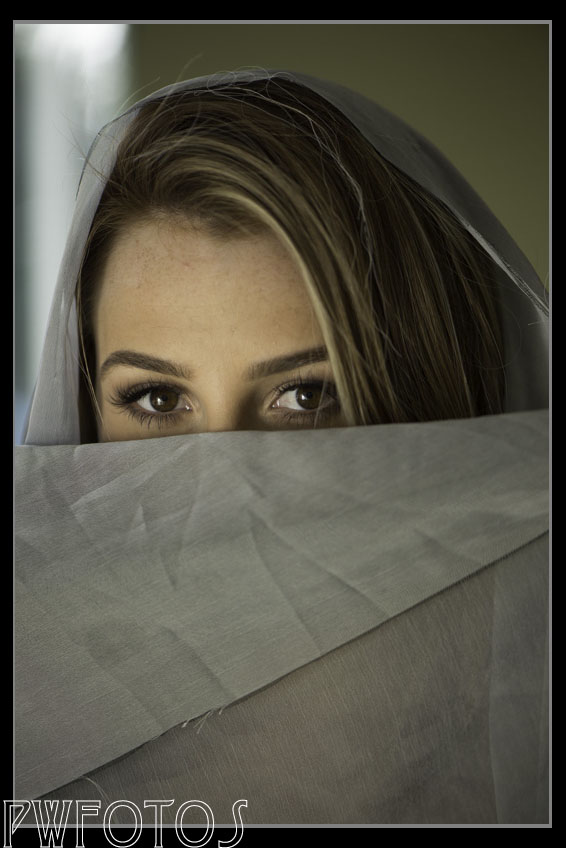
Using a small piece of glass to create an interesting effect with Keziah
Aislin in full leap

We then headed back into the studio where they had set up two full backdrops. One was right by a large window and so used natural light, while the other was using continuous light.

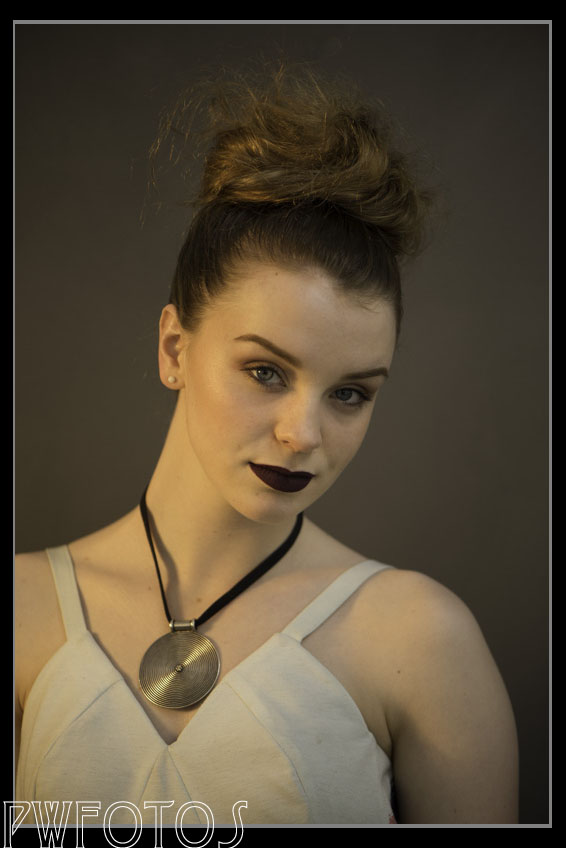
The shots in the studio were more controlled  with the more constant light. I started out with more classical looks.

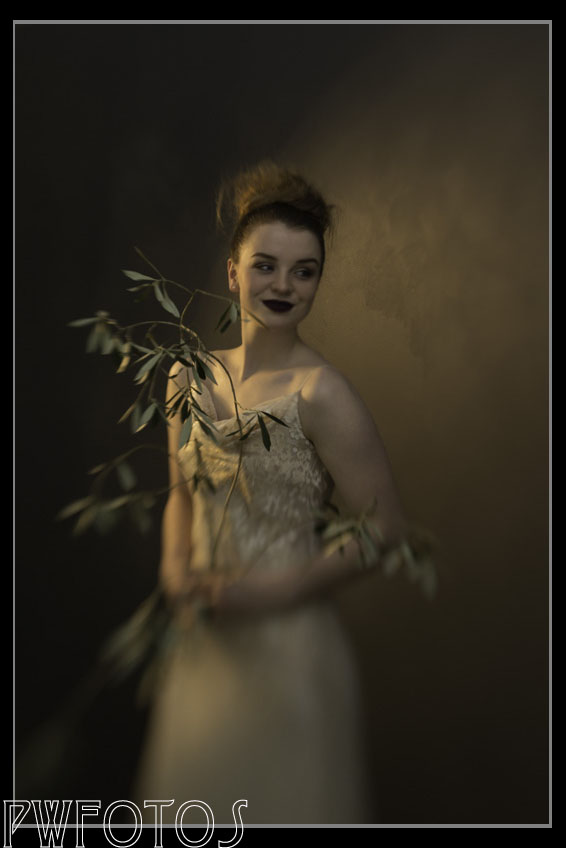
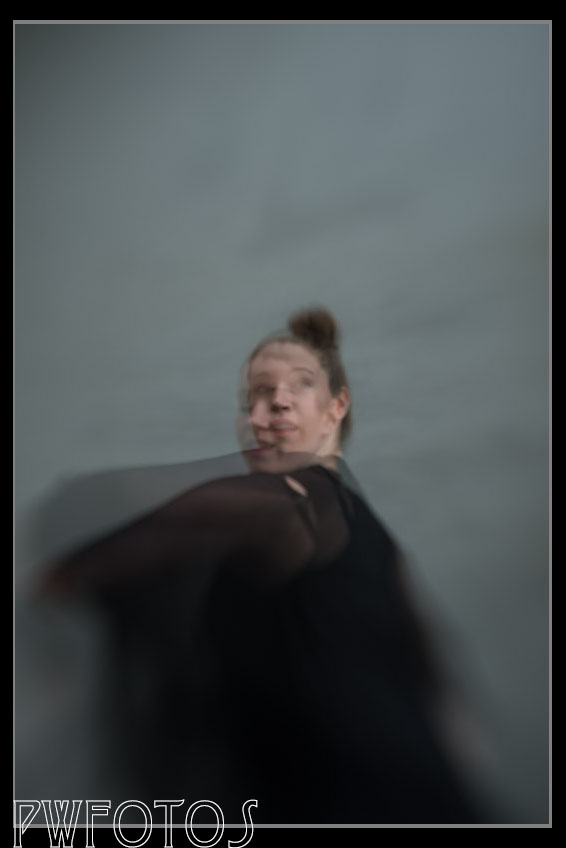
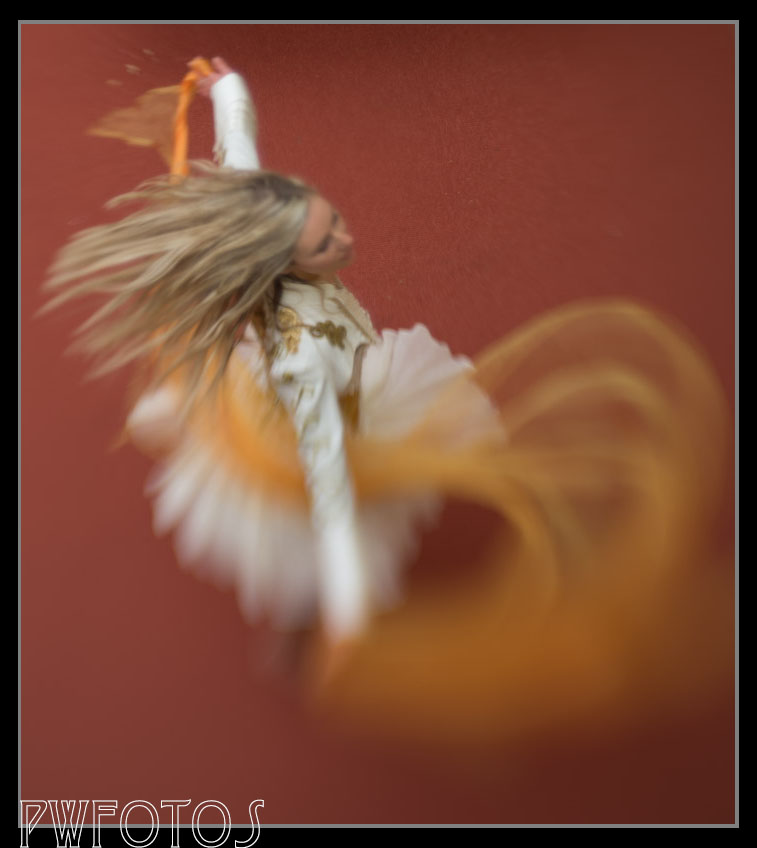
Creating double exposures using the lensbaby creates some interesting effects.

It was a great day and I hope that they do something like this again.

A Glint of Silver

The Iris Awards are the annual measure of excellence for members of the New Zealand Institute of Professional Photographers. Over four days hundreds of images are graded and as a result the members of the NZIPP obtain the levels in their honours system.

When my image of the reflection did well in the Central Regional conference, Esther Bunning told me that she would nag me to enter into Iris, because she was convinced that it would do well. Although I am not a member of the NZIPP I could enter as they recognise my membership of the Photographic Society of New Zealand. It would just cost me more.

In the lead up to Iris a lot of the local sections of NZIPP arrange mock judging sessions where you can anoymously enter images and they are assessed by a panel of experienced members, some of who are the actual judges in the awards themselves.

So given the encouragement of Esther I decided to enter two images into the local mock judging to see how they would go, and I was really pleased with the result. Both images were received well by the judges and audience alike. They accessed that both could be in contention for a “High silver” which was awesome to hear. It was also great to hear the positive comments that were made as well.

While it would have been nice to have taken the images through into the actual judging life has intervened. There is real uncertainty about my job and I decided thati had better uses for the $410.00 that it would have cost to enter. Just knowing that they were of a high standard was reward enough.

Sanna and powder

sanna-5
I have mentioned before that I am putting together 10 images to submit for the first level of the Photographic Society of New Zealand (PSNZ) honours system. At the Licentitate level (LPSNZ) you are supposed to demonstrate proficiancy across a range of photographic styles. Quite often the photographers have used different genres to do this.

I have taken a slightly different approach in trying to show diversity of approach but within the same genre. This is risky but it stays true to my main area of photography.

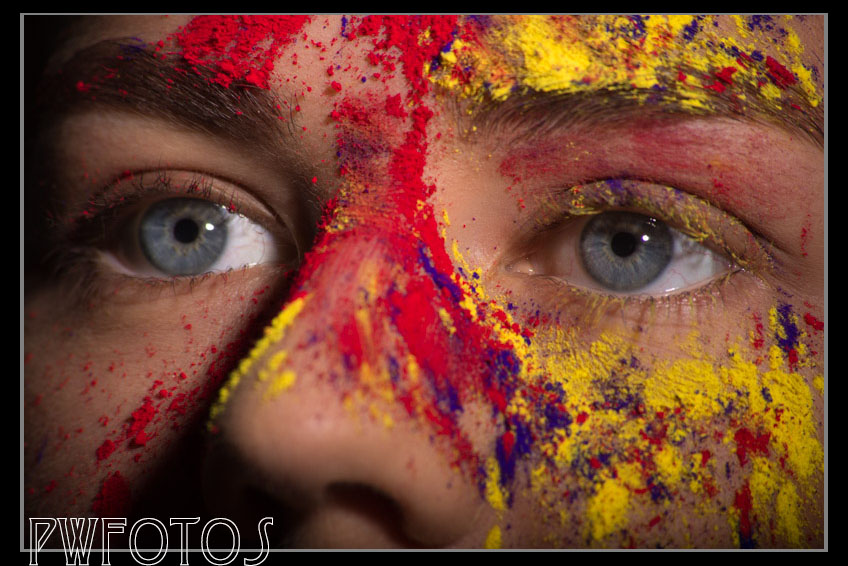
I already have most of the images shot and are finishing it with two images that emply macro techniques. While normally used on flowers or insects I decided to employ the technique on faces.

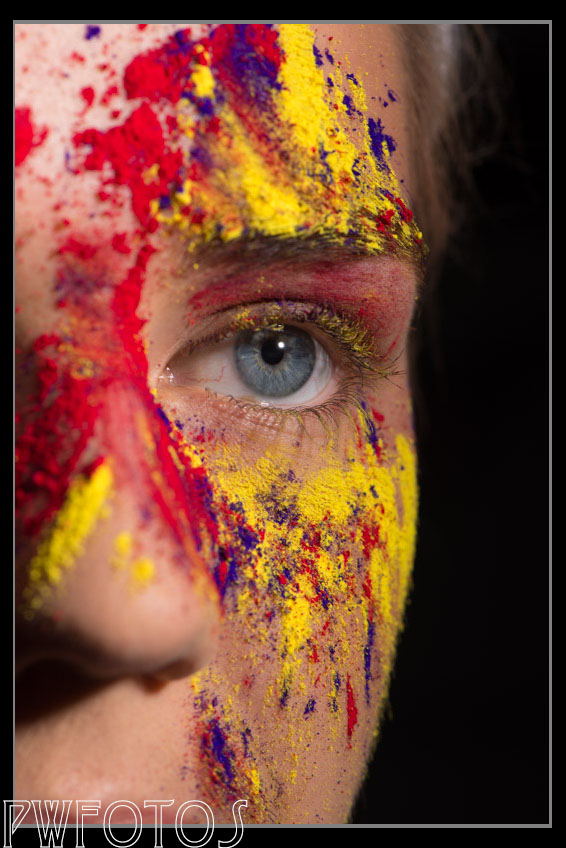
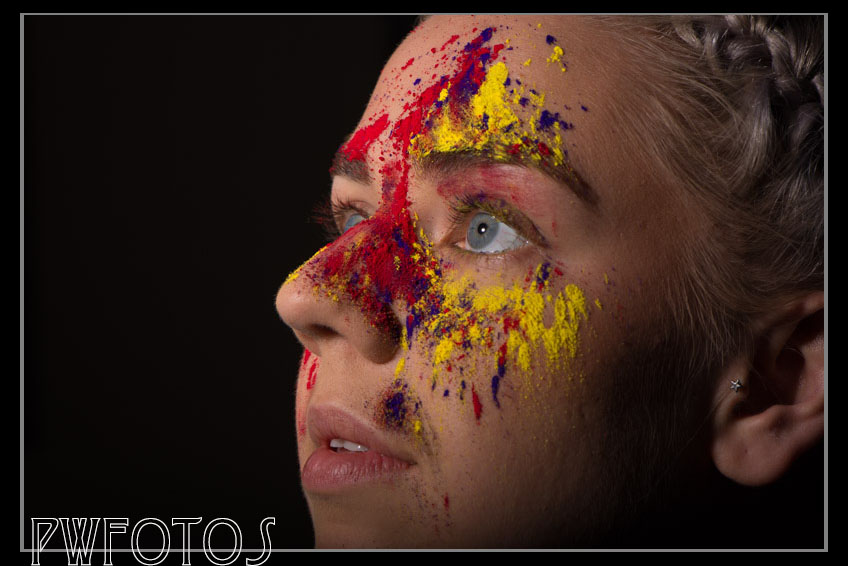
I had seen a Lindsay Adler video where she had used coloured powder on a face and shot it up close. It was amazing so I sought to do the same. Sanna works part time at my work, and as she had very vivid eyes, I asked if she would help me.

The powder we used is the same as that used in the “Color Run” however its origins are with the Hindu Holi festival. It is a very fine cornstarch which is deadly on lens so we were taking no risks.

We shot in Sanna’s apartment with her sitting on a wooden stool. A large tarpolin was spread on the floor to ensure that none of the powder stains the carpet. I even bought a $2 t-shirt from a thrift store so that there was no risk I would ruin her clothes.

I had a single studio light with a gridded seven inch reflector to give me a very precise light. The camera was metered at f11. Given that it was a macro shot you have very little depth of field to play with so the camera was set on a try, and live view was used to focus to lens. As a final precaution the camera was set to self timer.

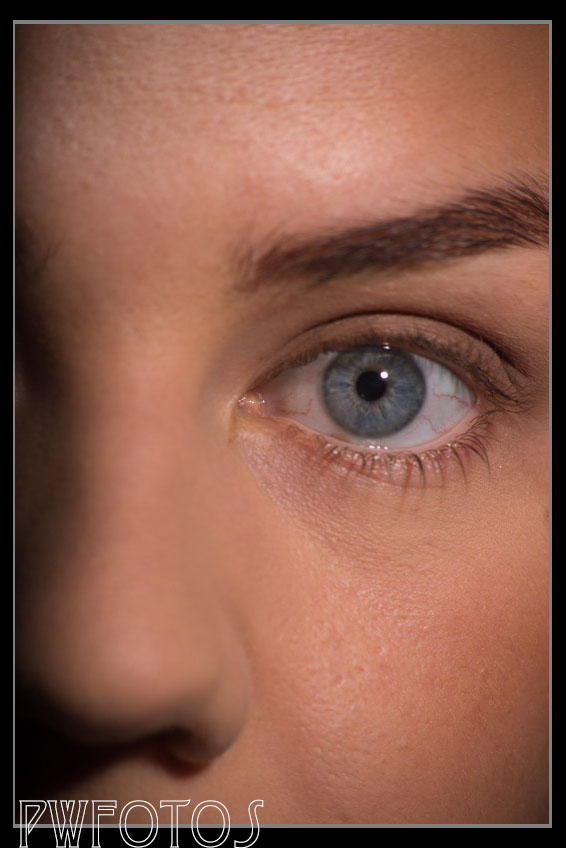
We started with shots without the powder to check that the exposure was right. The shadows on the original images were too dark so we positioned a large mirror to act as a reflector and fill them in a bit.

An initial shot to test exposure

I started shooting with my original macro lens which is a Sigma 70-300mm that has a macro switch that can be set anywhere between 200-300mm. I was initially using this lens becasue it enabled me to shoot further away, and therefore avoid the risk of powder damage.

The problem is that the lens is very hard to sharply focus, and as we had placed rather than thrown the powder I decided to swap to my Nikon 105mm macro which is a much sharper lens.

sanna-3I was really pleased with the results. One thing that was quite surprizing was how black the background went. This was shot in a well light kitchen with windows on two sides, so to the huma eye is was quite well lit. But the camera set at 1/200s at f11 pretty much eliminated all ambient light.sanna-4

Breaking free

double-2 Over the weekend I attended the Central Regional Conference of the Photographic Society of New Zealand (PSNZ). While there were a number of speakers on offer, the one that I most wanted to hear from was Esther Bunning, who is an extremely talented photographer based in Greytown in the Wairarapa. Esther is a portrait specialist, and Nikon Ambassador, known for her dreamy style of shooting.

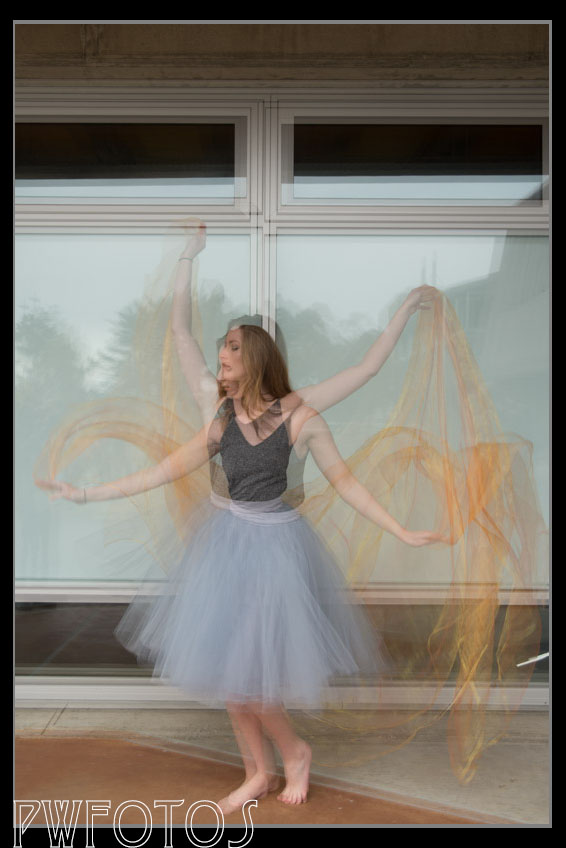
double-6 double-5 double-4 double-3In addition to speaking Esther also ran a workshop where she showed various techniques to achieve amazing looks in camera, rather than relying on photoshop. These included the use of multiple exposures, slow shutter speeds as well as placing objects between the camera and subject.

double-8 double-1

We were lucky to have four dancers from a local ballet school as our models and I got to try several of the approaches as well as having play with her Lenbaby Composer. That was quite fun although manual focus and a moving subject can be tricky. double-9double-10Esther stated that this sort of shooting was very free form as you really didn’t know what the end result would be like until you had the shots. I found that it was quite liberating to simply go with the flow and not have to worry what was being shot.

Dance & Movement shoot with Hayley

dance-2When I posted the images from my previous movement session online, I got an instant response to the images, and other dancers wanting to take part. Hayley introduced herself as a Salsa dancer who had a number of flowing dresses, so we set up a time to shoot.

I used the same hall as for my earlier shoot, however having learned from the first session, and reviewing a different YouTube clip, I made a couple of changes. The most notable were to make sure I had a second light bank and a much bigger (and taller) backdrop. The new lights were two Interfit continuous lights borrowed from a fellow photographer at work. While not being particularly strong they were more than adequate for the long exposure work. I used a small light stand and boom arm to set them one on top of the other giving me an effective stripbox. I had them positioned behind a large reflector so their light was fairly concentrated. The diagram below shows the layout.

dance-layoutIn these circumstances you have to work solely in manual and therefore the first shots are generally trial and error. Focusing is also on manual by selecting a spot roughly equivalent to where she would be when the flash fired. Given that the camera was set at f11 I knew that there was a degree of flexibility in the depth of field.

I initially had the computer tethered to a laptop as this made showing the images to Hayley a lot easier. Unfortunately it is fairly old and struggled to keep up so ended up being ditched. Tethered shooting is really good when it works but can be frustrating when it plays up.

Hayley had a number of outfits which we moved through. He initially one ended up only being used for the test shots as it was blending too much in the background. The lighter coloured dresses worked best, although the speed that Hayley was dancing did cause some issues. With long exposures if the subject is moving quickly then rather than a blur, they simply disappear. Trying to find the right balance in the speed was important.

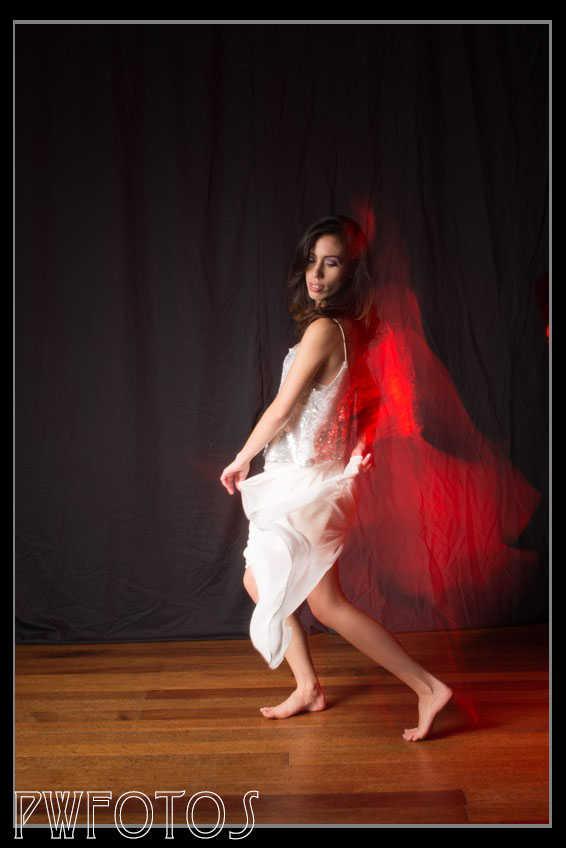
dance-1At one point we placed a red gell over the continuous light to see what effect that would make, especially when she was wearing a white outfit. I would rate this has been only marginally successful. When Hayley was over by the gelled light the red came through strongly but it was too far away for the main light to be fully effective. When she was closer to the main light the colour was essentially bleached out by its strength.

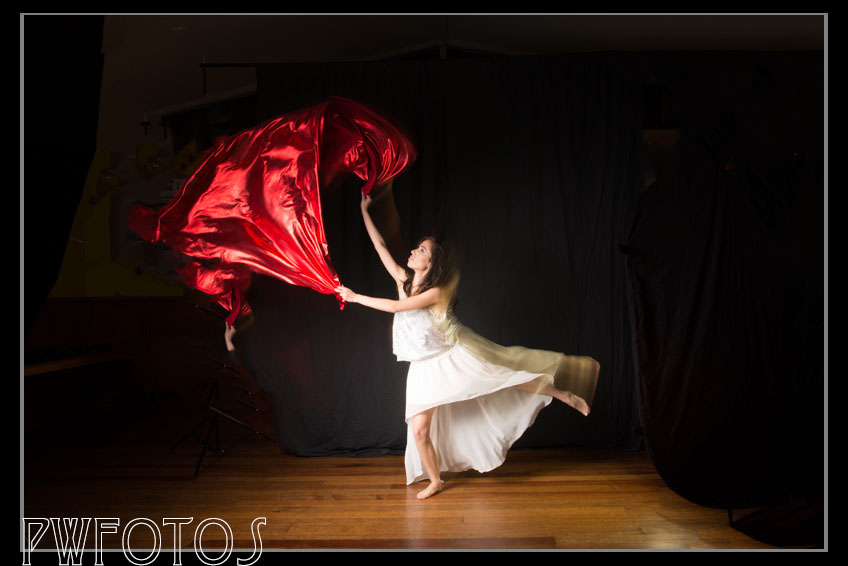
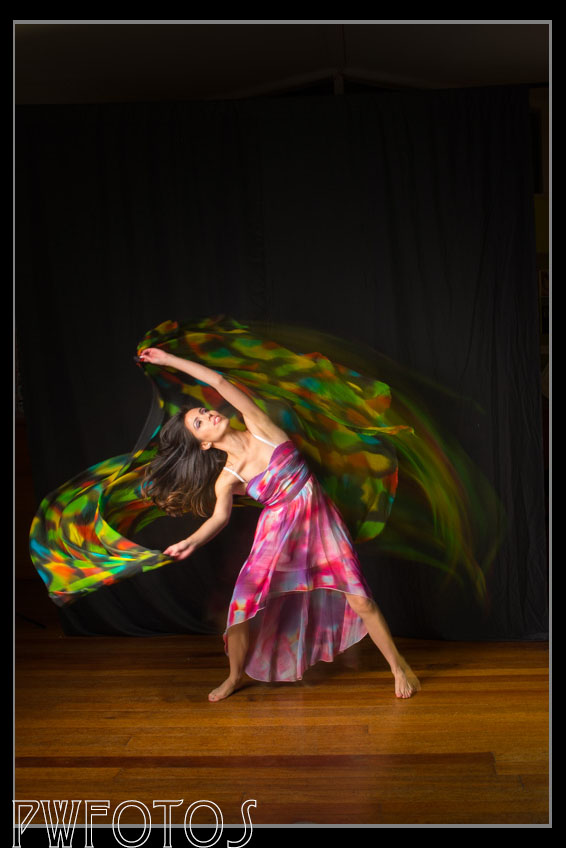
dance-6I then moved to a series of shots using lengths of fabric and a fan to add the movement. Hayley added to these by playing with the fabric in the air and the results from these images are really good.

dance-3 dance-4Towards the end of the shoot I changed tack and tried to get the images that would essentially freeze the action. Leaving the existing lights in place I introduced a third lights which I shot into a large silver umbrella. The shutter speed when then put up to maximum sync speed and I shot some images of Hayley jumping.

dance-7