Time

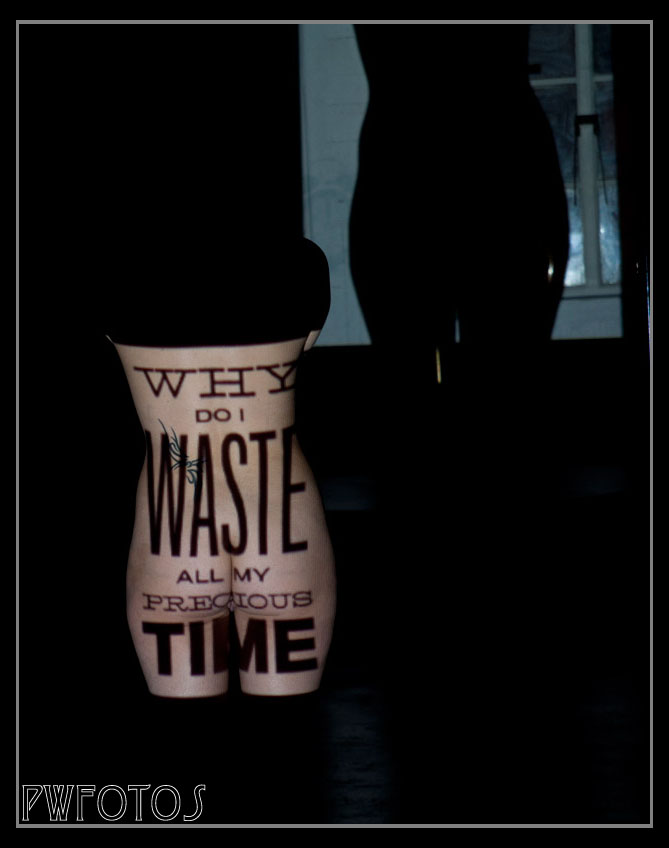
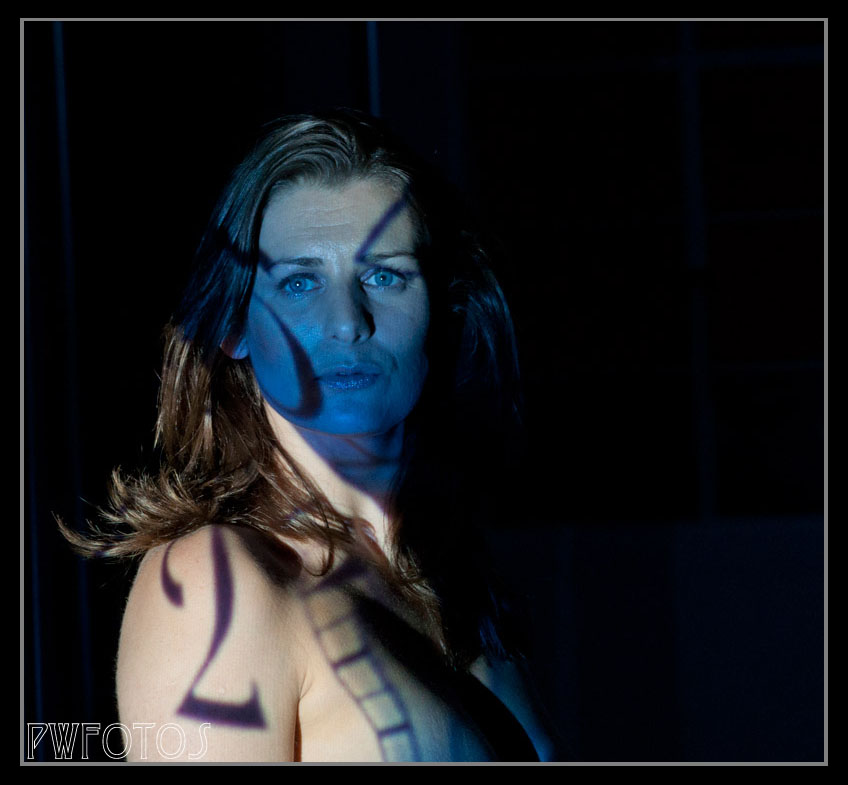
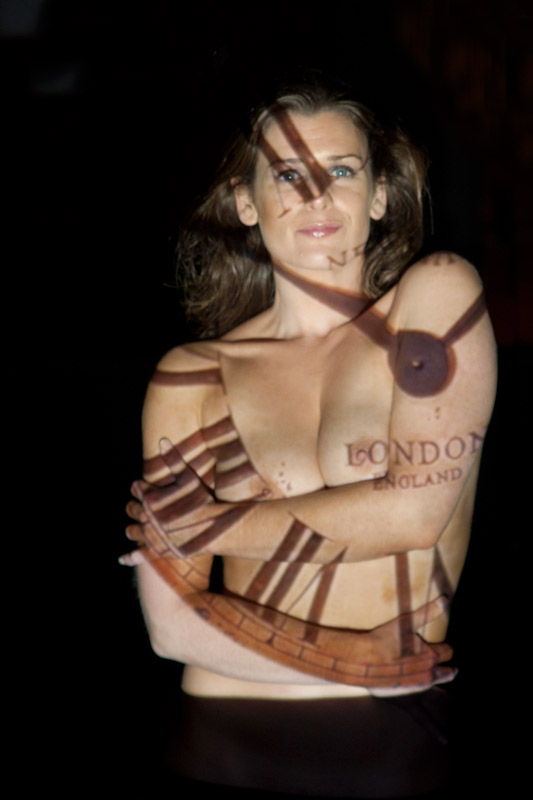
Composite images in Photoshop are relatively easy, but I wanted to see how challenging it would be to create something in camera. The opportunity came up when I was looking for images to submit into the 2012 Interclub under the topic of “Time”.

How do you represent a concept like time in an image. I did not want to shoot photos of clocks and hourglasses because it had been done to death. It hit watching tv one night when a number of ads droned on about products to stop the effects of aging. Let’s show time on the body but in a literal sense.

I would do this by finding a model willing to pose nude and then I would project images of time onto them and record the result. Admittedly I “borrowed” a number of images from Google searches. I met Freya via Model Mayhem and she had no problems being my subject. We set up a projector as the only light source in her pole dancing studio and with the camera on a tripod I encouraged her to simply move around. The images rotated through a slideshow and after some attempts we managed to get a series I was happy with.

The most difficult thing with the shoot was getting the focus right as Freya was moving and there was not a lot of light for autofocus to lock in on, but by the end of the evening we had more than enough usable shots to use.

Noon light

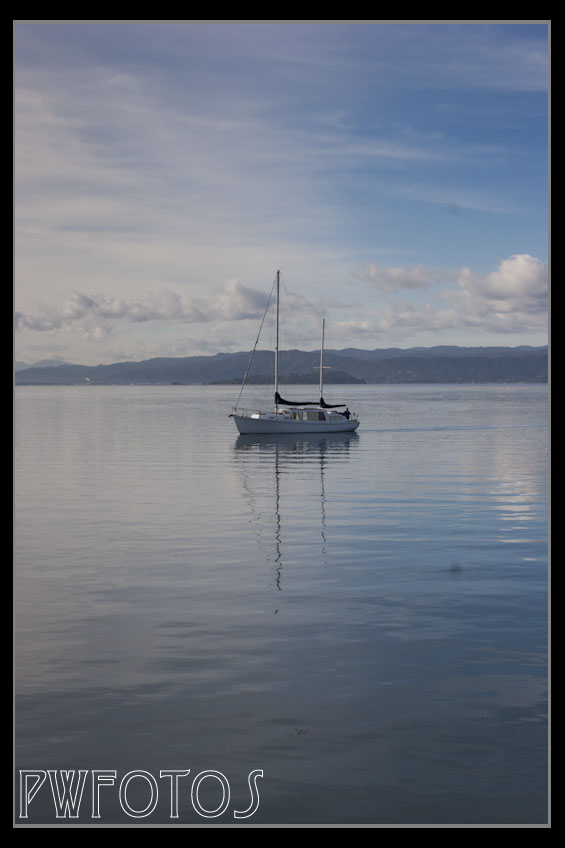
We are always told that the best light occurs around sunset and sunrise and that the middle of the day we should avoid if we can. That is generally true but in the middle of winter you can end up with days where the sun is still low and with the right high cloud gets very diffused and quite nice.

Mix that with a high tide and no wind and you get awesome light and conditions to shoot around the harbour.

Expressing Music

One thing I enjoy about competitions like the Wellington Interclub is the challenge of producing an image that will demonstrate a theme.

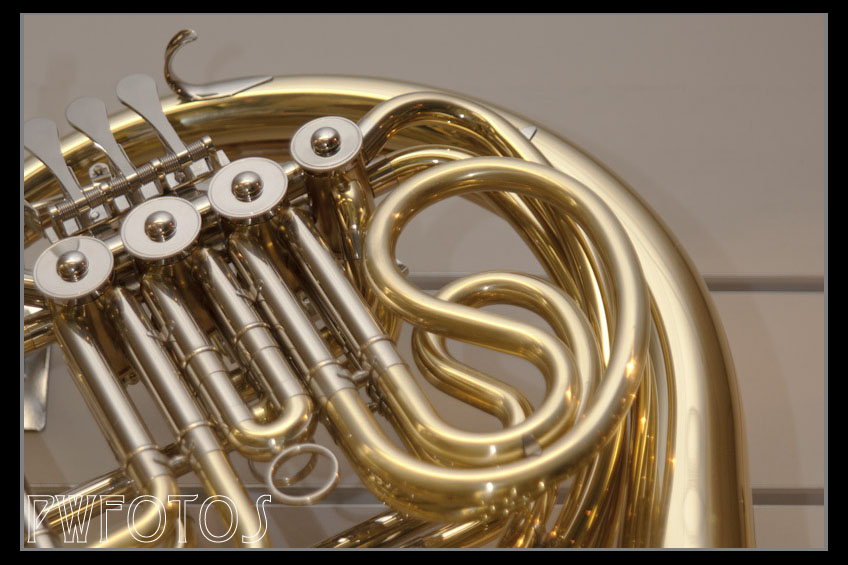
In this years event one of the themes was “Music”. But how do you display visually something that is what we hear, and not see.

The answer came as I wandered through the bottom level of Grand Arcade and found a shop that sold and repaired wind and brass instruments. I plucked up the courage to ask if they would let me shoot in their shop, to which they replied “no trouble”. The following images came from that shoot.

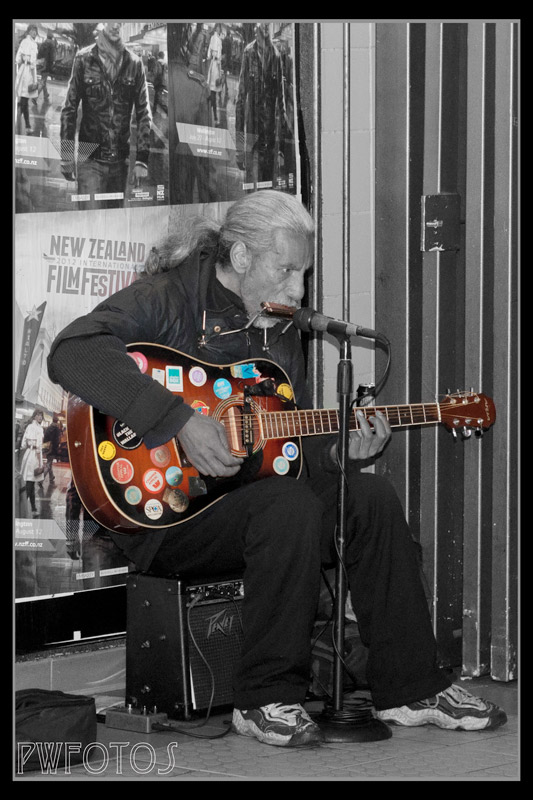
I was happy with these shots but I still I think that they lacked something so the next day I spotted a regular busker at the railway station I took his photo. I decided that to make it clear that the subject was about the music I would use selective colouring on his instruments.


Turning Nature into Abstract

Abstract Photography is an interesting area because it is often quite difficult to understand. One explanation is that if you can recognise the object being photographed then the image is not abstract.

While this may be true it is quite possible to produce abstract images from very recognizable objects simple by getting in very close.

The shot below was taken of a spider web that has collected the morning dew. It was shot with a standard lens in as close as i could and try to time it perfectly so that no breeze was present.

Misty Morning

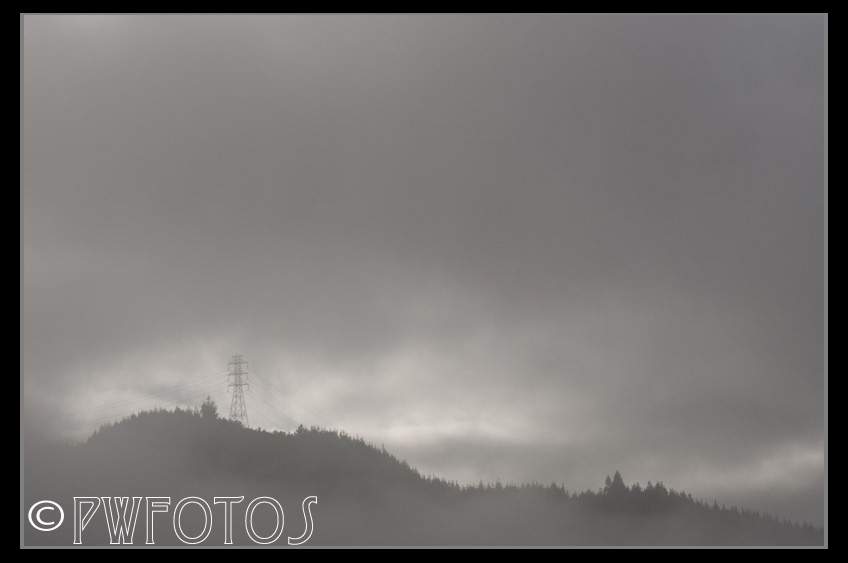
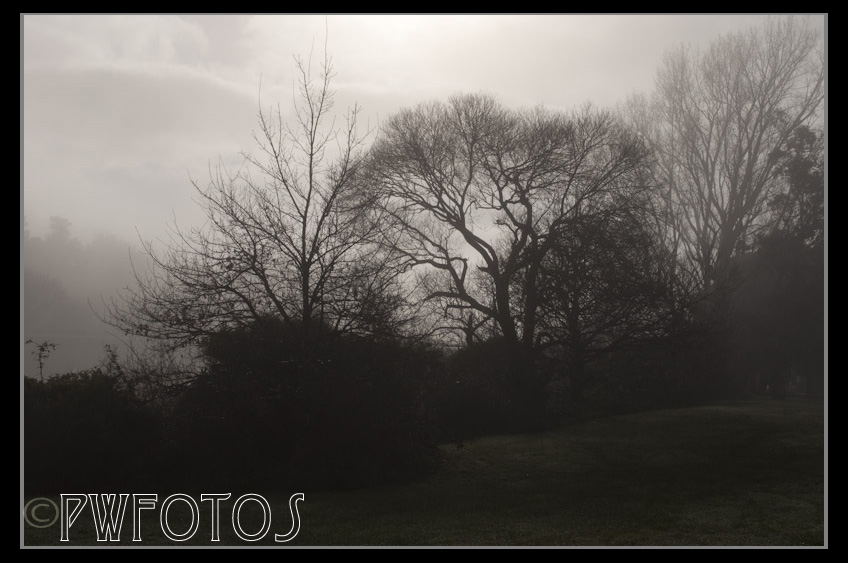
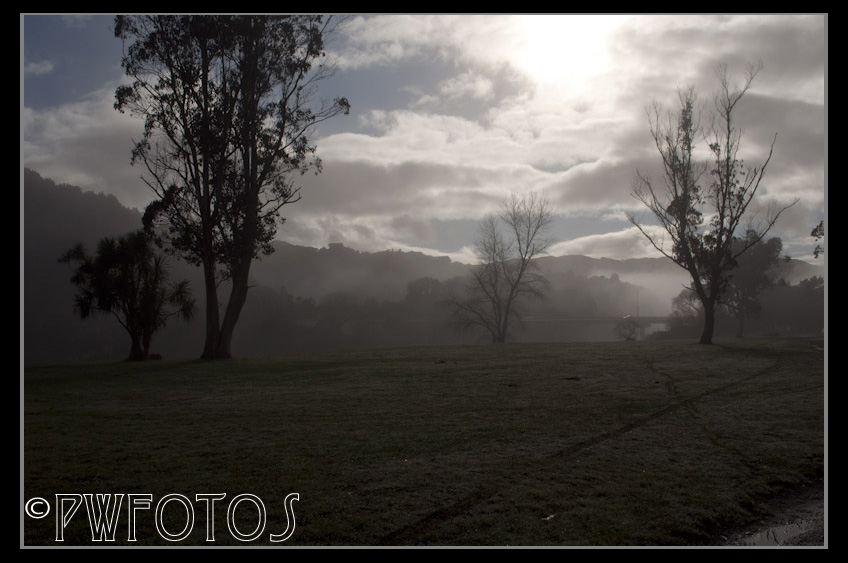
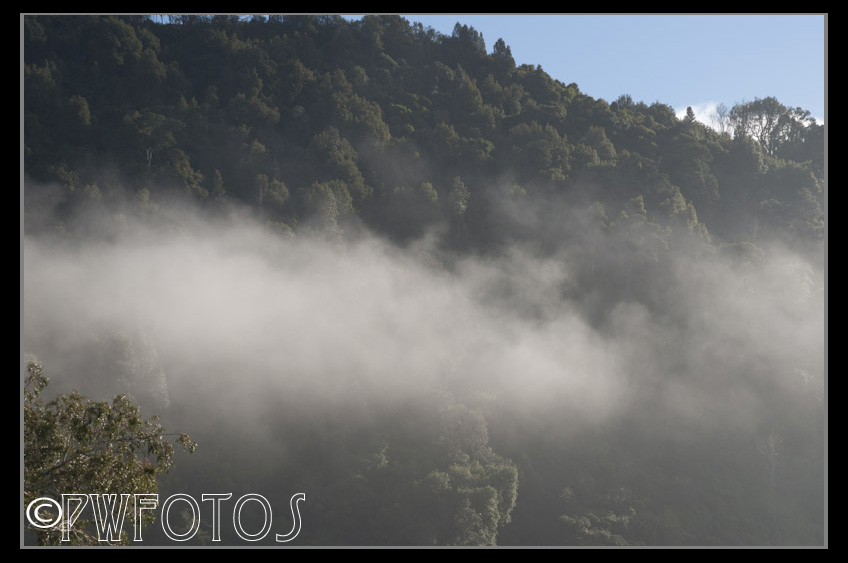
One of the great things about living in Upper Hutt is the morning mist that we get through the winter especially around the river. Unfortunately for me I normally get to see it on my way into work, when I can’t stop and take pictures.

But this morning the day was fine and the mist glistened with the morning sun. My wife and I took the dogs for a walk along the river and managed to get a few shots. Hope you enjoy them.

Symmetry

According to some experts we apparently relate our ideas of beauty to symmetry and the closer that each side our face mirrors the other, the more beautify we will be deemed to me. Apparently the actor Denzel Washington has a perfectly symmetrical face.

Now most of us do not have symmetrical faces so it is quite fun to see what we would look like if we did. With the magic of photoshop and a willing volunteer it is quite easy to create this.

The steps are very easy.

  1. Position to camera at nose level and have your subject face directly into the camera. It is important that their head is perfectly vertical without any lean.
  2. Take the resulting image into photoshop and place a guide on the image that vertically intersects to noise.
  3. Select the area on the right hand side of the face, and copy it into a new document.
  4. Paste the image again but on this second layer, flip the image along the horizontal axis.
  5. Then align the two sides up.
  6. Go back to your original image and repeat the process for the left hand side.

You end up with three images to compare, namely the original and then right side symmetry and left side symmetry. If the persons face is mainly symmetrical then there will be very little difference between the three shots. However this is normally not the case and you can end up with faces quite different from the original.

ImageNation 2012

Depending upon your point of view the Advertising & Illustrative Photographers Association (AIPA) is either complementary or in complete competition to the New Zealand Institute of Professional Photographers (NZIPP). As the name implies AIPA represent commercial photographers who mainly shoot for corporate clients and do not concentrate on such areas as personal portrait or weddings. The reality is that New Zealand is so small a market that very few people truly specialise in a single area and therefore many commercial photographers belong to both organisations.

Each year AIPA host a two day conference in Auckland called ImageNation. Basically they bring together a range of photographers who are the top of their game to share some of their approach.

I saw the 2011 programme too late to really take advantage of it but decided that I would try to get to this year’s event. By luck I was able to schedule a work trip to Auckland that took care of travel costs so I only had to pay the $161 early-bird registration which for a full two day event is extremely reasonable.

So you may ask how is attending this industry conference relevant to someone who is not full time employed as a photographer. The answer is really simple. It provides you with inspiration and ideas that can be easily translated. I say this because while the majority of the speakers shot commercially, the images that they showed also included images that they had shot personally.

The whole gamut of photography was covered including fashion, landscape, architecture, sport, travel and people. The styles covered everything from macro to abstract to documentary. In fact weddings was about the only area not covered.

At least a third of the audience was made up of students from the photography courses in Auckland so many of the speakers angled their talks with tips for them. As most of these are pertinent to the way we shoot I have outlined them.

  • With portraits do not immediately leap to using a wide aperture to blur out the background. Instead see if the background will add to the image and if so place your subject so the background and subject support each other.
  • You really have to push hard to turn what you have visualised in a shot to turn it into reality.
  • It’s often the mistakes where the magic happens so don’t be too hung up about always getting it right.
  • Don’t be snap happy. Aim to shoot the best 20 images. When selecting images to show someone be ruthless and only show you top one. Don’t give the client too many images to choose from.
  • It is important to shoot self-projects for yourself on a regular basis as this ensures the passion stays.
  • Don’t try to be something that you are not. If you are asked to shoot something you have never done before be honest in your ability.
  • Never give away the copyright in an image. Even if you are not charging for it, make sure it is clear that you are giving away a free licence to use the image.

And for those of you who do make some money from photography:

  • The value you bring to the marketplace is the difference between what you and the client knows.
  • Never give a price out over the phone and never reduce a price given without the client giving up something.
  • Be prepared to say “No” because the act of saying “No” will actually build your business.

One thing that may interest some (even if the conference doesn’t) is that each year they run a competition for submitting a photo essay. This is a set of images that portray a story. The grand prize is worth around $5,000 but there are a lots of other smaller prizes. More information on the conference and the competition can be found at their website (www.imagenation.co.nz).
Yuuna

Yuuna Phoenix is originally from the United Kingdom but now lives in New Zealand with her husband and son. I met Yuuna through Model Mayhem when I answered a request she had posted. Despite having a 10 week old baby Yuuna wanted a set of images to submit to the website SuicideGirls.com.

While she had modeled before she had never shot a nude shoot which was a requirement of submission to the site.

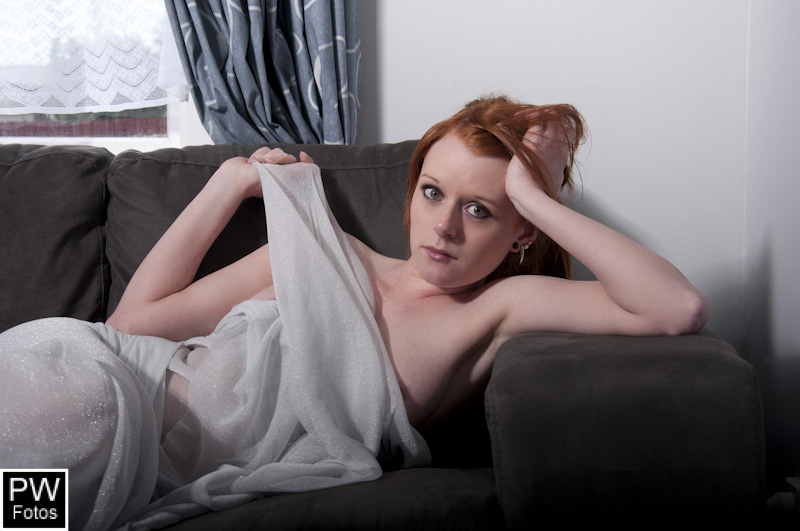
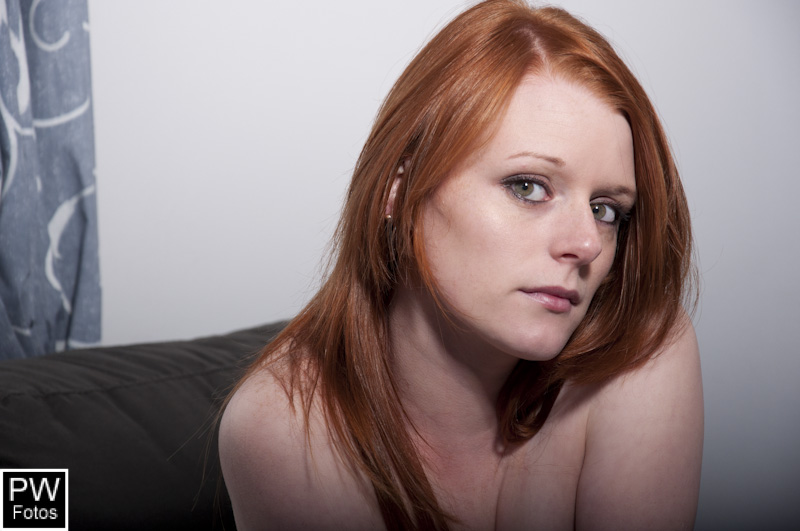
As I had used with Anna I used a length of fabric at the start of the shoot to relax her nerves. These images were taken during that part of the session.

The rest of the shoot will be linked her once it appears on the website as that was the condition of the shoot.

Night Shoot

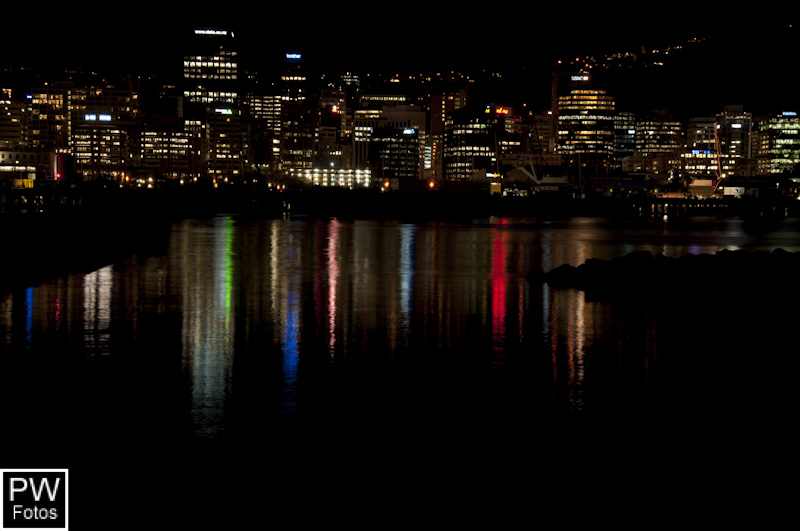
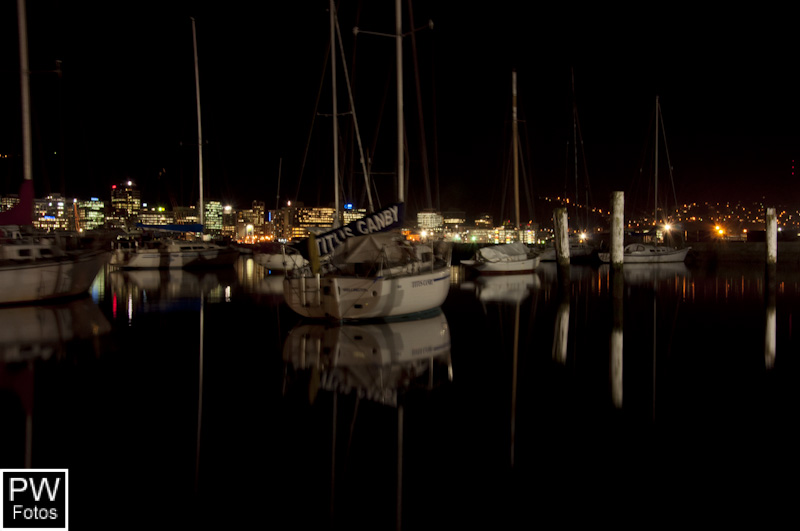
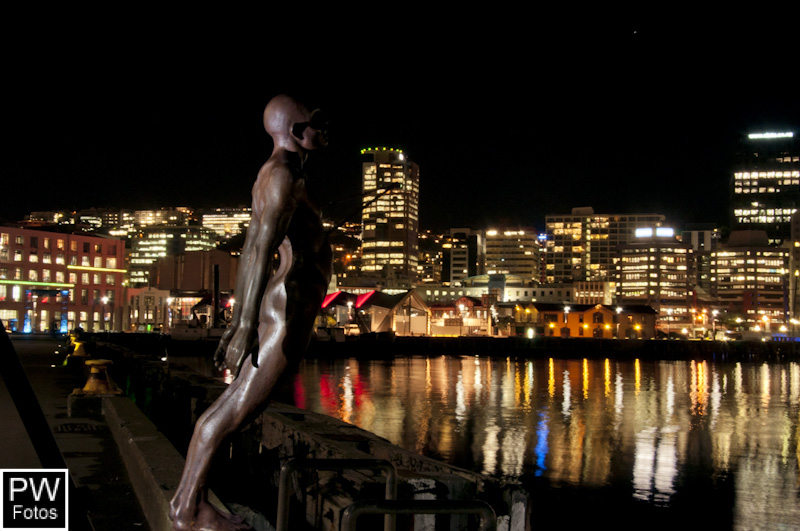
I organised a night shoot around Wellington harbour for members of Hutt Camera Club. For once the weather forecast was spot on and despite early morning rain and hair the evening turned out to be mild and dead calm.

People seemed to have a lot of fun taking part in the shoot apart from Margaret who had the misfortune of her tripod falling over ending up with a reasonable new lens breaking in half and being a total write off.

Anna – Bodyscapes

Anna was a lady introduced to me by my wife who was an artist. She wanted a photoshoot done to provide her with a range of poses that she would then paint. It was the first time Anna has ever appeared nude in photos, and having 9 year old twins she had quite a number of negative comments about the way her body looked. As a result she was extremely nervous when it came time to shoot.

To make her more comfortable we started with a series of images where she was draped in a sheer piece of fabric and as she got more confident she slowly removed more of her body.

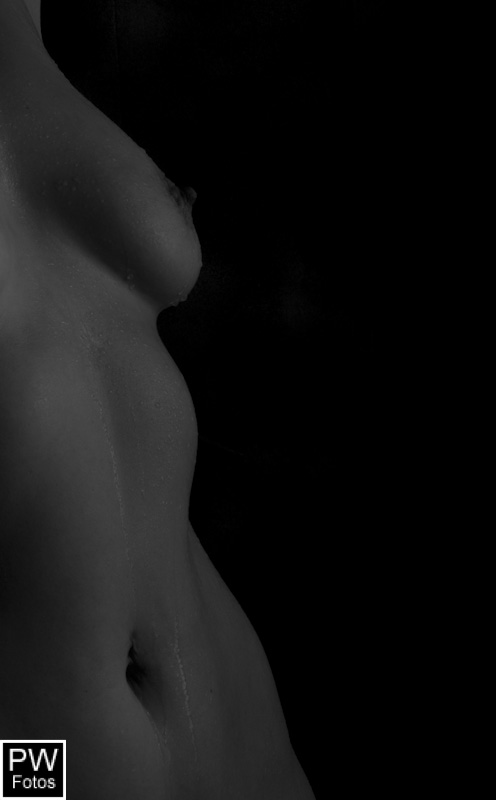
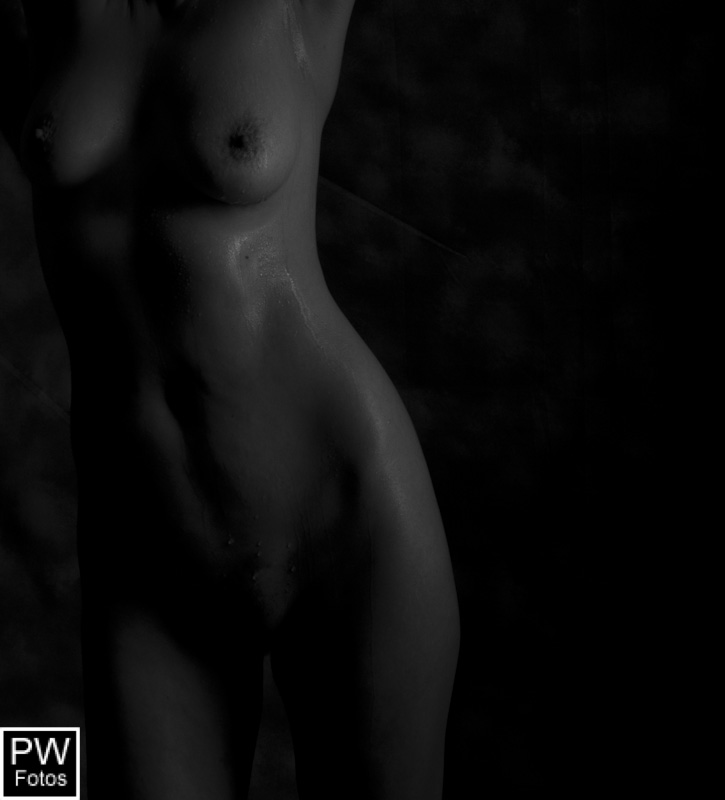
At the end of the session we shot a series of close up bodyscapes which we both loved and which I am showing here. The rest of the shoot is reserved for Anna alone.

A photographic journey