Hanging on silk

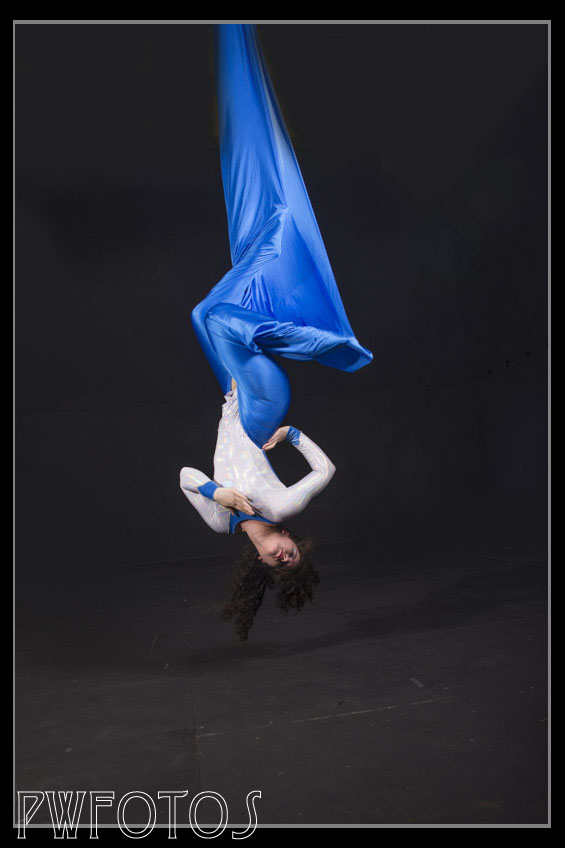
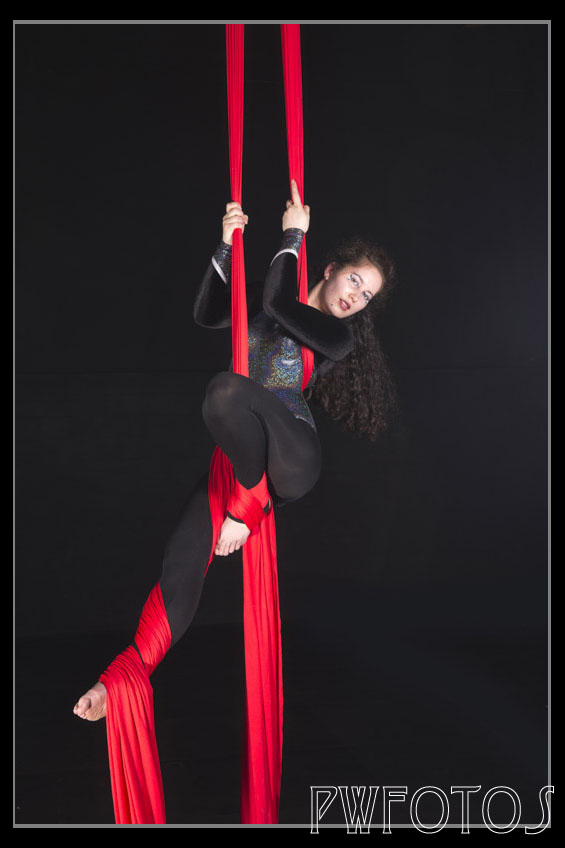
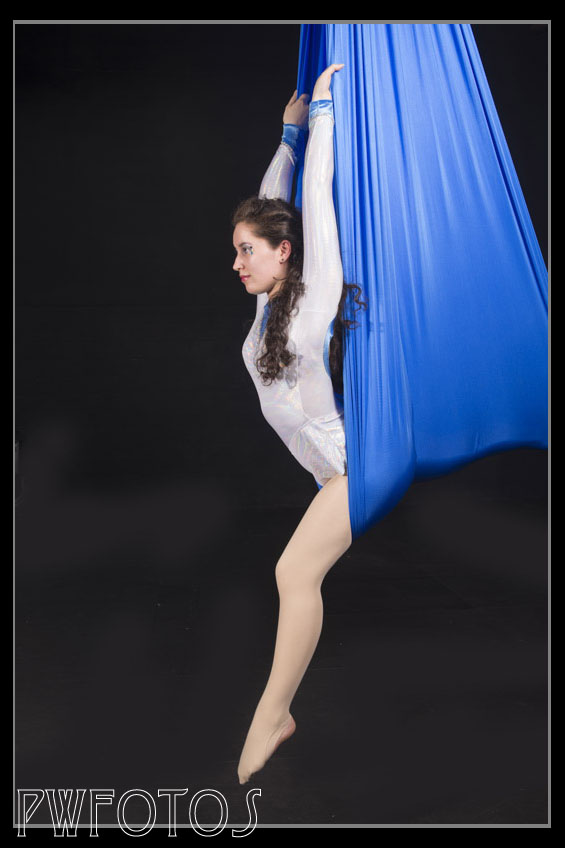
I met Ernestynne via a post in Facebook. She is a performer in an aerial circus using lengths of fabric. She had booked and paid for a session with a local photographer who had then given every excuse under the sun as to why no images were forthcoming. Eventually she managed to get her money back but the experience had not been so good for her. Given the background of the photographer and the usual types of sessions she shot I had my doubts that the true reasons for the none delivery was that she had taken on an assignment beyond both her experience and her gear and that there were no usable photos from it.

To restore her faith in the wider photographic community I offered her a free shoot which was arranged to take place in the factory building the circus uses to train in.

She has told me that the building had skylights but I still anticipated that lighting would be the main issue. When I arrived I discovered that the back wall had been painted black and that she had already cleared away stuff so that we had a reasonable clear background. Overhead was a yellow gantry crane which I knew would show up in shots if I was not careful.

I decided to use a white shoot through as my main light with the gear extended on the boom to sit to camera right and about the same height that Ernestynne would be positioned. A second light was positioned low down and was simply to provide some separation between her and the black floor. I decided that where possible I did not want to shoot up but rather at a level equal with her. This meant that for most of the shot I stood on a small ladder.

Before we starting taking photos for each session I had her show me what the routine looked like. This let me visualise what I may want to shoot but also more importantly gave me an indication of where to position the lights such that they would give me what I wanted but at the same time be in such a position that she would not hit them.

The shoot went very smoothly and the positioning seemed to work out well in that most images will only need a minor touch-ups in Photoshop.

I really liked the post that Ernestynne made on Facebook after I posted a sneak peak image.

Hi there everyone. Some of you may remember that last year I had problems with a photographer that I paid for. In the end I was given a refund but no photos. Today a different photographer, Paul Whitham, was generous enough to do an aerials photo shoot with me. He was punctual, professional and a great guy to work with full of lots of interesting ideas. I highly recommend him to anyone wanting performance shoots

Lr_fly-1 Lr_fly-4 Lr_fly-12 Lr_fly-27 Lr_fly-30 Lr_fly-41 Lr_fly-45 Lr_fly-47

Put me in the shot

This is going to sound like a bit of a rant but I really don’t get the logic behind the modern rule that tourists must all take photos of themselves standing in front of tourist locations. Now when I stand on a cliff, or in front of monument, I like to shoot just that. I don’t need a mugshot of myself to prove that I was there. In fact in some locations I prefer to avoid having people in the shot if I can avoid it.

It started a number of years ago with the Japanese and we laughed when we saw them do it. But now it seems to have spread to all nationalities.

I am sure the rise of Facebook and the desire to get profile images is partly to blame.

There appear to be two very different groups.

There are those will cellphones who are not quite so disruptive, as they tend to hold the phone at arm’s length so they don’t take up much space.

It is those with proper cameras that are most annoying when they position someone on one side of a path and then stand on the other and completely block it. On our recent trip to Australia we even had people arranging whole families with complete disregard to the chaos it was causing around them.

So my plea is simple. Think of others while on holiday.

Swimmall – reproducing mannequins

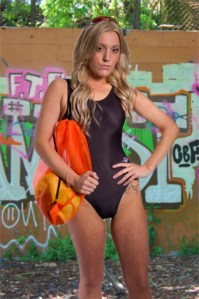
At the same time as running Ministry of Swimming my client also has created a second website called “Swimmall” where he is selling both his brand and other brands. As some of his suppliers already supply him with images the shots taken for this site had to fit with a strict standard. Basically each suit had to be shot on a white background with the model in facing in such a way that you saw the front, side and back of the suits. I joked with the models that these were essentially mannequin shots for them as you could easily replace a model with a mannequin and get the same result.
suit11_blend

The shoot did not present any real challenges however after I had shot my first model I realised that a little forward thinking would have saved me a lot of processing time. You see Emma was shot in my usual style of hand holding the camera and I was also adjusting the focal length to get what I considered the best shot. This was a big mistake because it meant that I had three images shot from slightly different angles and sizes that I then had to compensate for in post. Not difficult but all adding extra time.

For the rest of the models I shot with the camera mounted on a tripod and left the focal length alone. This meant that no images needed any tweaking in this regard.

Ministry of Swimming 2012 Update

As it had been over a year since I did the original shoot for the Ministry of Swimming website I contacted the owner to see if he needed any new images. This was indeed the case and this time they were all swimsuits.

I ran a casting call and selected fours models to assist as the suits ranged in size with a number being only prototypes rather than the full size. One model failed to show so my daughter ended up stepping in at the last minute.

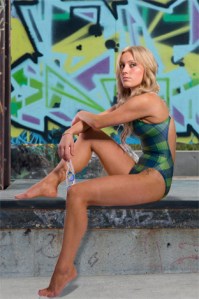
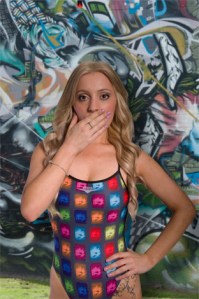
The client wanted the same urban style theme as we had come up for the original which was a little challenging when there were 23 different suits and unlike the goggles they did not have names, so there was nothing to guide me on. Still we managed to do it and over a week we shot all four girls in the studio as well as finding new graffiti art to composite in.

The images were delivered tonight and the client was very happy with them which is the result that I was after. Next year we are going to get some male models to complement to series.

suit6_large suit8_banner suit8_large suit9_large suit11_large suit12_large suit17_Large

Facebook as your sole marketing tool

There is little doubt that Social Media is a valuable tool in any business marketing arsenal. Unfortunately the message that it is part of a suite of delivery methods seems to be lost on some people. I am amazed at the number of photographers who set themselves up in business using nothing more than a camera and a Facebook page and then wonder why they struggle to attract the clients they want. Maybe the answers lies in my comments below, which I will admit have very little scientific research behind them, but are my own opinions, and I may offend some people with them.

  1. Not all your clients use it.
    I know that this will come as a shock to young people who seem to be glued to social media in all forms, but not everyone uses Facebook. In fact with scares over privacy there is quite a portion of the population who take delight in being the ones that don’t have an account. While you can look at a Facebook page without an account they don’t make easy for you.
  2. Your clients may not be able to use it
    Now if you are shooting newborns and your market is new mums then this may not be an issue (because the odds are they will use the home computer). But if you are shooting weddings, portraits, models or commercial work then you may run into the issue that many businesses, having realised how much time is wasted on Facebook, have set up their systems to not allow people to view it from their work computers. And let’s face it lots of stuff that occurs outside of work hours is actually organised in it.
  3. It looks cheap & nasty
    I may be old fashion but I do equate quality with what I am expected to pay for something and when I see someone using something free yet expecting people to pay then I see an instant mismatch.To me it says that you are too cheap or lazy to bother designing something better or getting someone else to do it for you. It does not show me that you have any creative thoughts in anything other than the images taken. It says nothing about your style other than you like to get things for free.
  4. You have no control over it
    Let be clear about this. As you have not paid to be on Facebook the page is owned by them and they set the rules. If you breach one you can end up being banned or you can have your page completely taken down. Sometimes it is easy to break their rules, because you think that you are doing something that everyone else is doing (like asking for the most “likes” on an image).

    The design of a Facebook page suits Facebook and not you. If you apply a rule to the newsfeed page the actual content is actually led than 50% of the width of the page. The timeline page is marginally better. The compression routines on images quite often cause distortions.In the two years that I have been on Facebook they have changed the look of the site at least 3 times as well as the way that items are fed to the page. In recent months Facebook changed the routine that determined what people saw in their newsfeeds and sites saw their reach drop to around 15% of what they were previously achieving.


  5. Other people can wreck your efforts very quickly
    Finally this is a really important one. When you have your own website you can pretty much control the fact that other people (apart from hackers) can have an influence on it. Facebook pages on the other hand are easily sabotaged. This can be done a number of ways.
    1. Someone reporting the pages or an image and you getting banned or the image removed
    2. People posting malicious comments on your posts

    I know two photographers who had this happen to them in the last 12 months.

So should you abandon Facebook?
Absolutely not! Just use it for what it was designed for and that was posting quick status updates that keep your name out there but link it back to a website when you really want to show what you can do, who you are, and what you have achieved.

Helping others – The Phil Jacobs Benefit Auction

Those that know me will know that I often end up helping others. In fact for about 7 years I was a volunteer member of the Adobe Community experts programme that supported Dreamweaver developers.

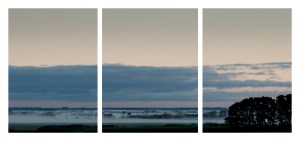
So it should come as no surprise that when I heard about the appeal to help Phil Jacobs that I just had to help by offering both my time and an image. This shot, which was taken just south of Palmerston North earlier in the year, was framed and at the auction tonight sold for $200.00. It was one of 66 images that went under the hammer.


Misty Morn

How do you look at images

Earlier this year a lady on a Facebook forum posted an image and invited comments. I told her honestly that I did not like it as the highlights were seriously blown, there was no focal point in the image and that it did nothing for me. She took a little umbrage at this because for her the image was fine. The reason for this though had to do with the back story behind the image that I was not aware of. Because there was nothing in the image that grabbed my attention I had judged it essentially on the technical merits.

This was further brought into focus when I helped out with the Phil Jacobs Benefit. Donated to be auctioned where images by some well known New Zealand photographers and in fact one of the images came from a reasonable well known set. What struck me was that several images if entered into a competition today would likely be given a “not accepted” grade. So this got me thinking about what makes a good image and how should we view it.

I believe that when we shoot with our cameras we essentially have the choice to take snapshots, documentary images or create photographic images. When entering an image in a competition the last thing you want to hear the judge say is that it is a snapshot because generally it is a derogatory terms in such circles.

But what is the difference and why it is important. Basically I am going to define the terms as such.

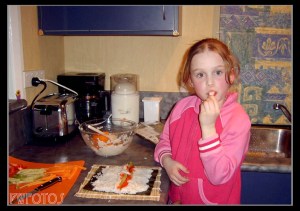
This image was deemed to be a snapshot in a competiton entitled "In the Kitchen"
This image was deemed to be a snapshot in a competiton entitled “In the Kitchen”

A snapshot is a photo that records a person, event or location that’s primary purpose it to capture a point in time. The main value is the image lies not in what is on the screen (or paper) but rather in the emotional connection that the viewer has with the background that the image represents. As the adage that a bad photo is better than no photo totally applies to snapshots, we will accept poorly composed, or lighted images.

A documentary image is also a photo that records a person, event or location however it is not intended to stand alone but rather it will be used along either text or other images to tell the story of the event. Sometimes these images are strong enough to stand alone but not always and again the same adage as above applies.

Same category of the competition but the judge liked this image

A photographic image is also a photo that records a person, event or location, however the image is strong enough to not rely on a knowledge of the background story. A photograph also has to be technically perfect to the level that the photographer was attempting.

So does this matter. Bruce Girdwood who is a very talented photographer and judge spoke to the Hutt Camera Club earlier in the year and he stated that you should make images based on what you like and not what another judge thinks because ultimately it is you that you are trying to please.

Trash the Dress Workshop

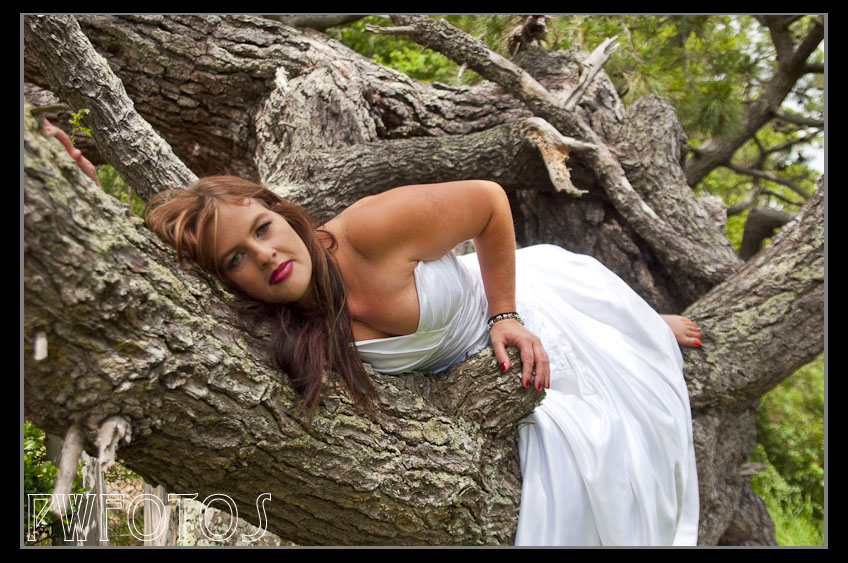
“Trash the Dress’ is a concept that arrived from America a number of years ago. Basically it is a series of photo taken of the bride in her gown well after the wedding in which she does things that would send her into major fits if they were done on the wedding day. They do necessarily involve water, but given our proximity to it they generally do.

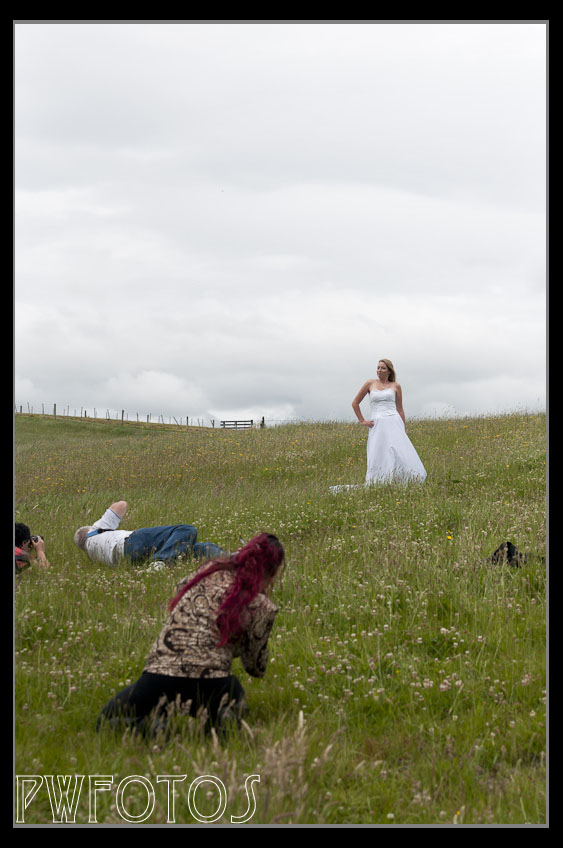
Some months ago a Facebook group was set up to encourage photographers to get together and stage some shoot. The closest one to me was organised for Greytown in the Wairarapa by Masterton photographer Liz Rikiti. Liz really excelled arranging for 7 models, hair and makeup and an excellent venue fully catered that gave up a wide range of different locations to shoot in. She spent months buying dresses on TradeMe.

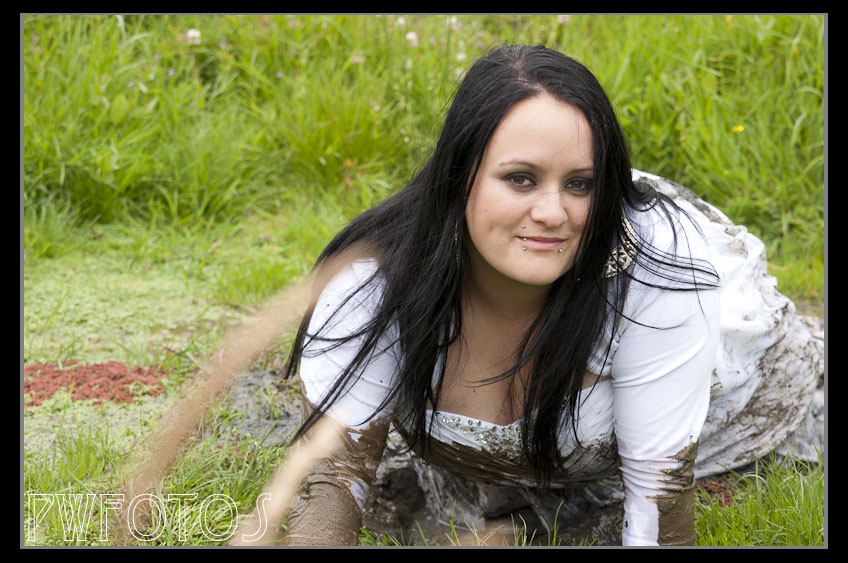
In the morning we concentrated on shots that were slight more traditional in that the dresses did not get too soiled but then after lunch it was all on with our “brides” ending up in a pond, in mud and in the creek. At the end one was even covered in paint, which unfortunately I was not able to stay around for. All of the girls were great and all seemed to be having a lot of fun, which ultimately is the whole idea behind a TTD shoot.

Although the images below were taken in a workshop situation, so it is likely you will find similar ones on the internet, in all cases the models were posed by me.

we have it easy in the digital age.

Just how easy we have it with digital cameras and photoshop was brought home to me today.

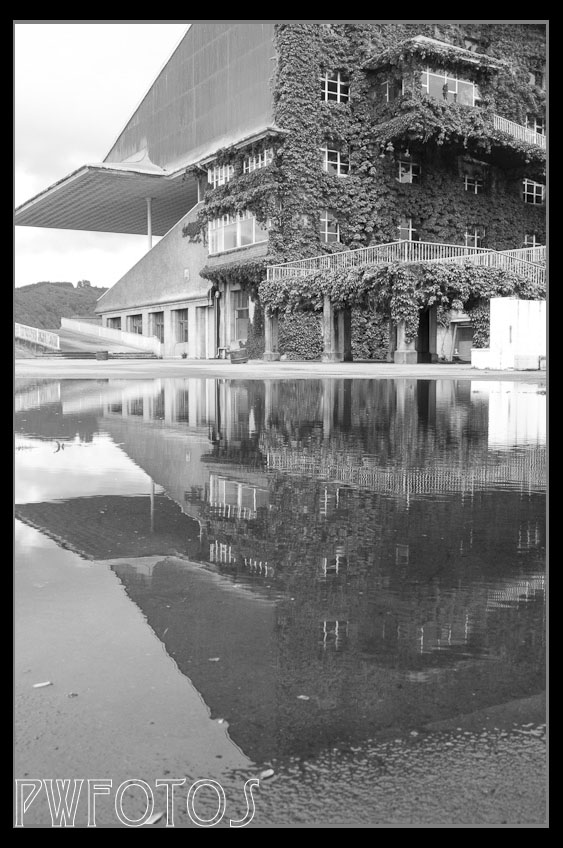
My wife Vicky is doing a photography course at the Learning Connexion this term and is using film which she has to process themselves. Of course this means that her images are in black & white. She was supposed to produce a body of work on a theme and she chose “reflections”. While she is quite a good photographer she was struggling a little with seeing things in black & white.

After lunch we both decided to head outside and work on her project. It has rained most of the morning and we figured that the puddles that were likely to be formed on the  concrete sections at the Trentham racecourse would offer good possibilities.

I took along my digital and we worked slowly through the shots she wanted to take. She would estimate the camera settings she wanted to use. I would then put them into my camera and with it set to deliver a B&W image take a shot. If she was happy with the result she would then take a shot on the film camera. The only tricky thing we ran into was compensating for the crop sensor effect.

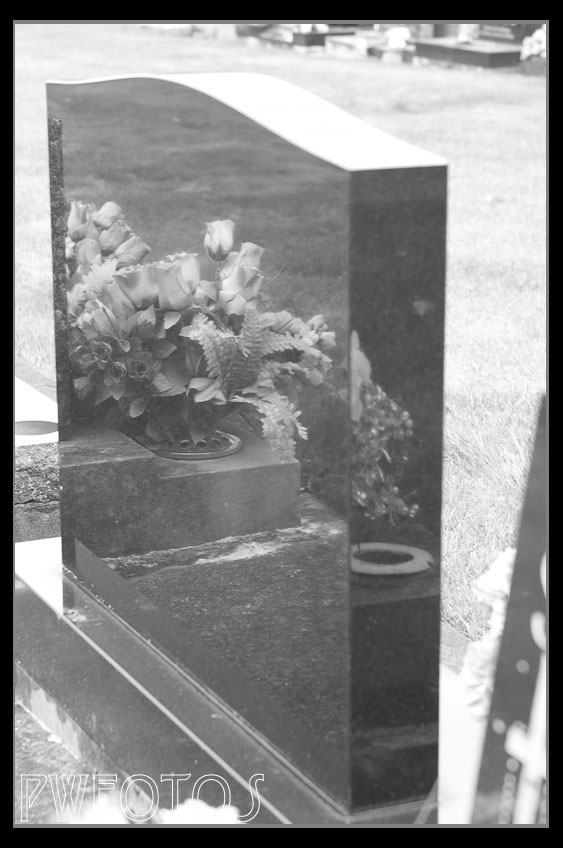
We then headed up to Akatawara Cemetery and obtained some reflections using the backs of some highly polished marble headstones.

What was a real pain was that when she was lining up a shot she would often tell me that she didn’t like something in the shot, and could I move it. This included rubbish bins, tables and chairs, and not to mention branches on trees. Shooting in digital we wouldn’t have bothered knowing that we could simply clone it out in photoshop.

The images below are a sample of the ones I took. Vicky’s film images came out good as well, even though some might say that the technique is slightly cheating.

Shooting Motion

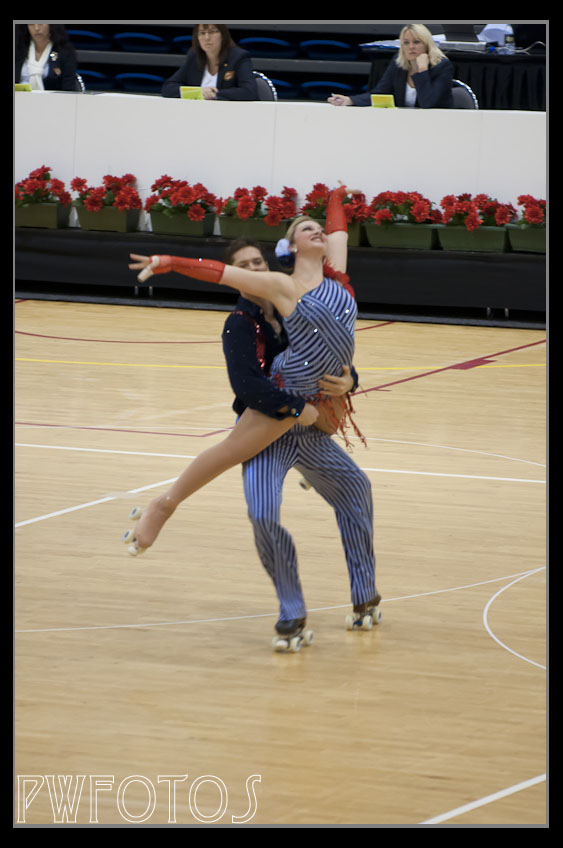
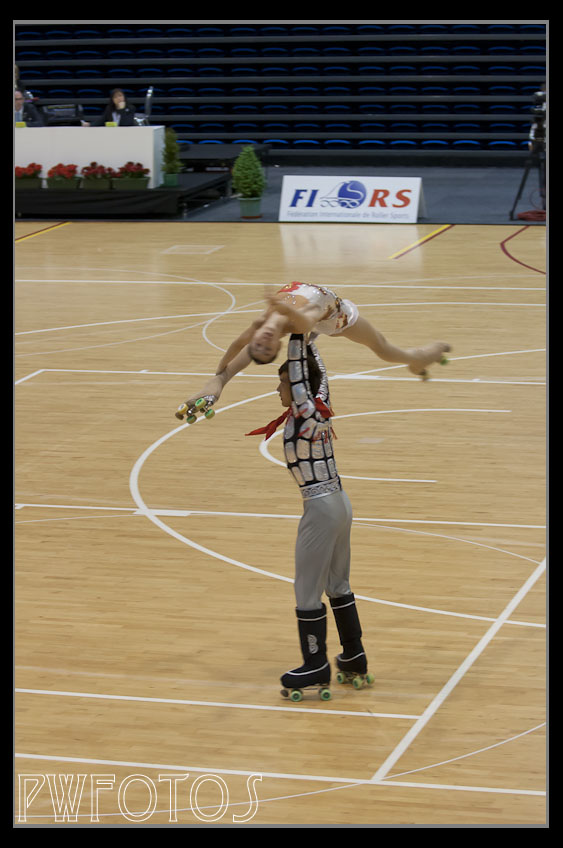
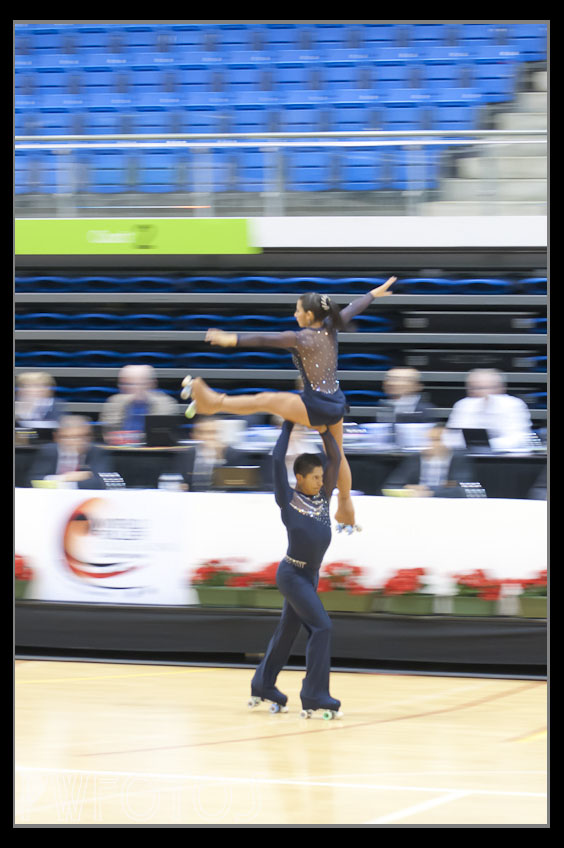
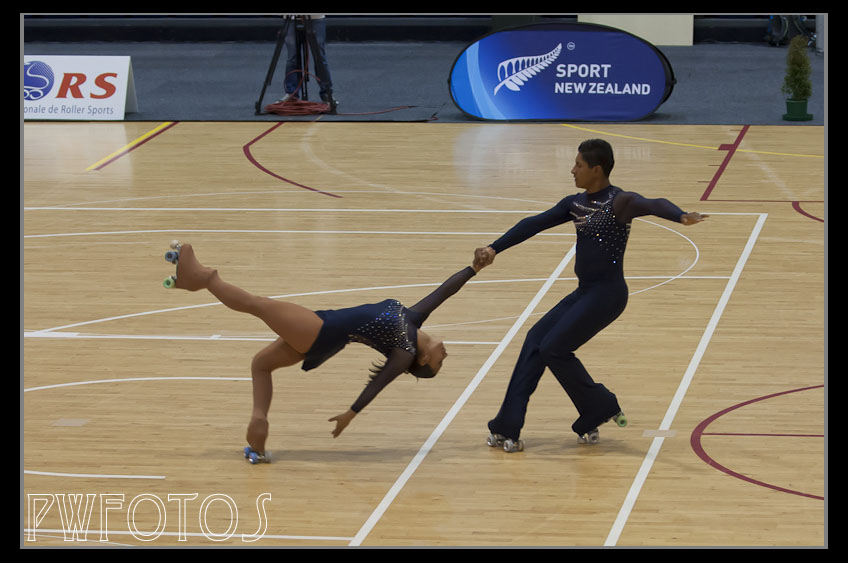
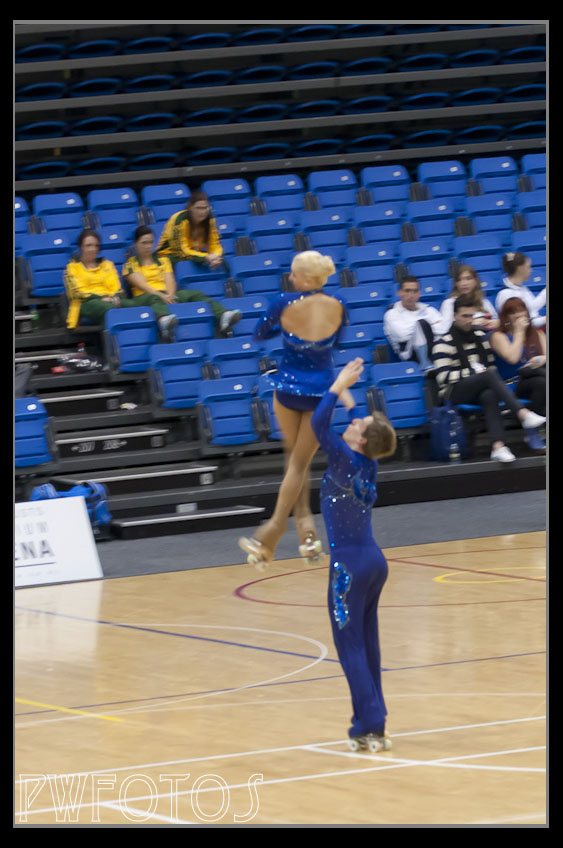
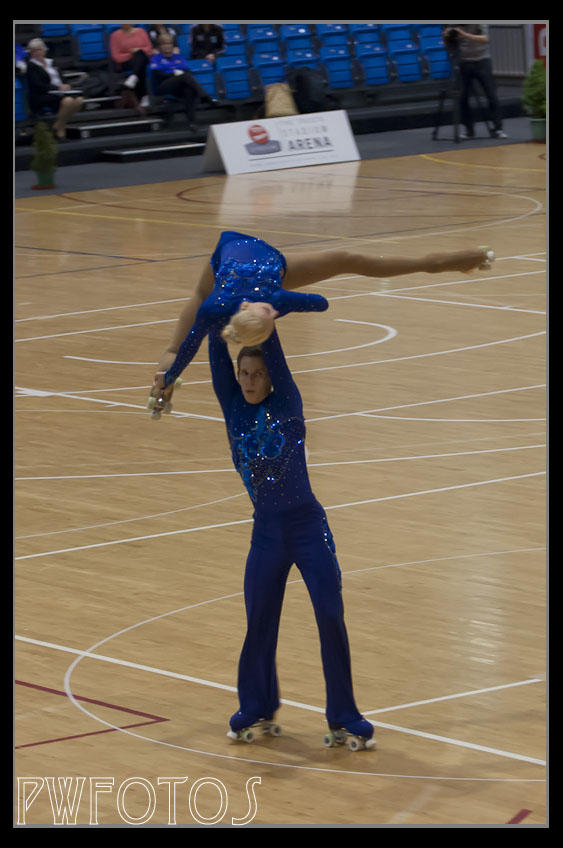
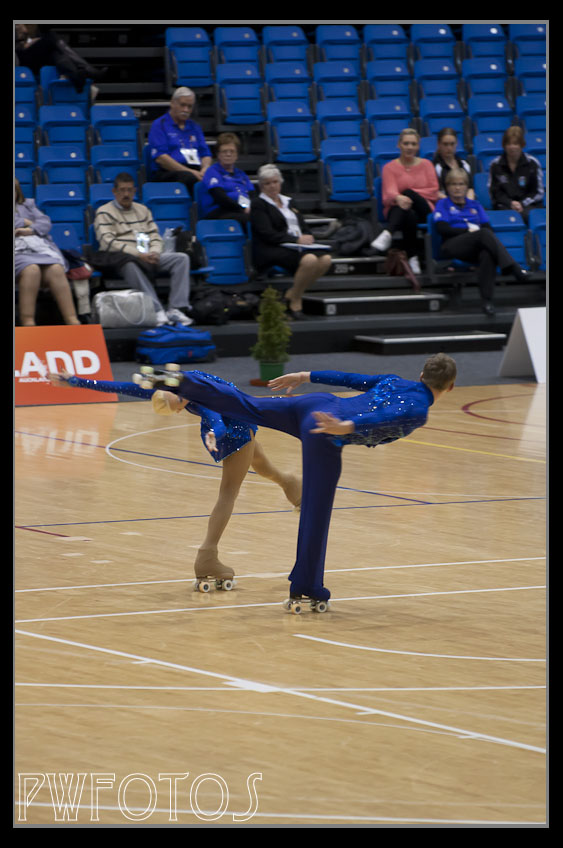
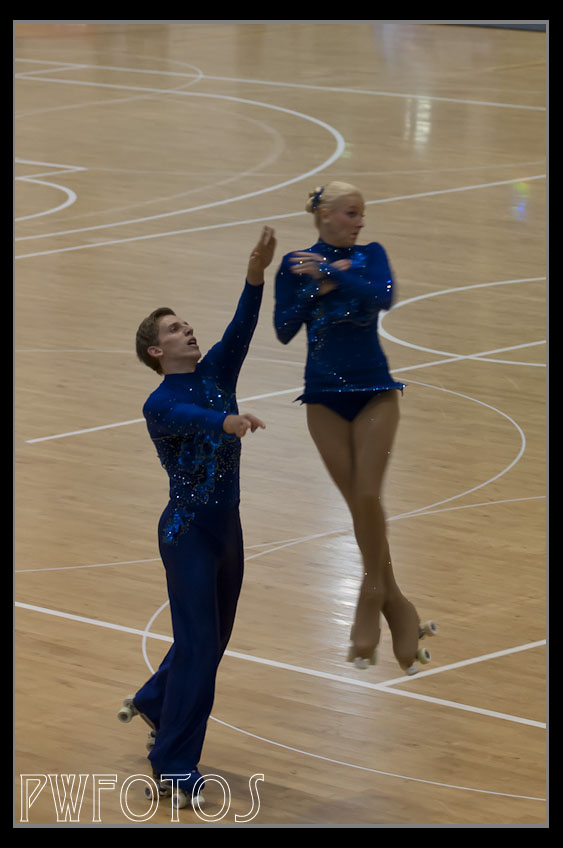
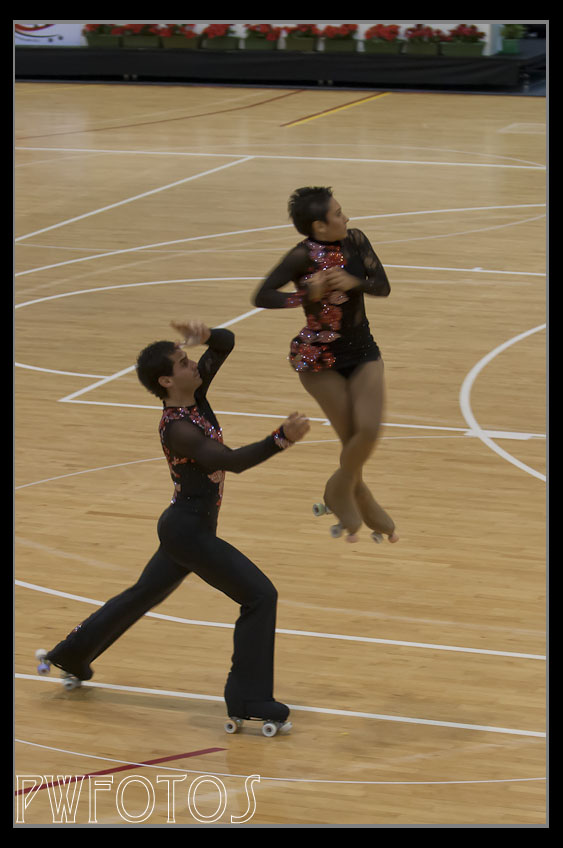
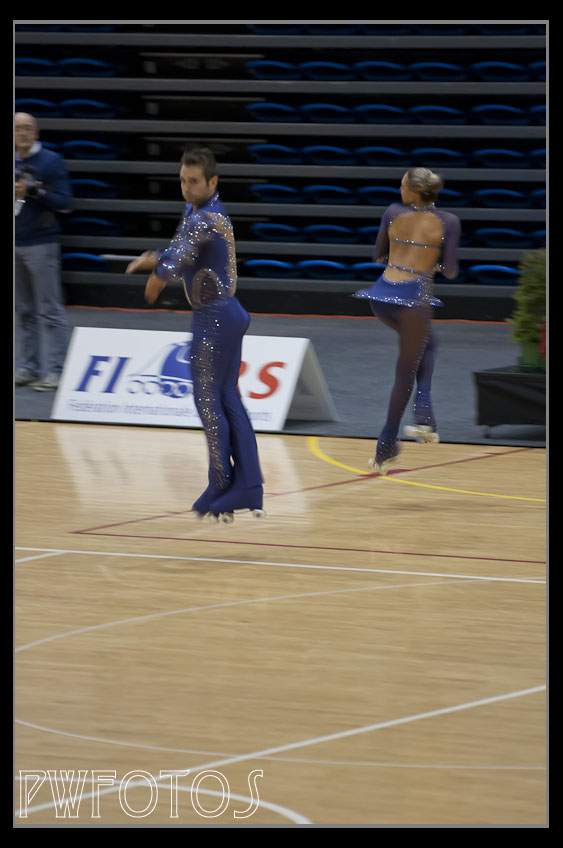
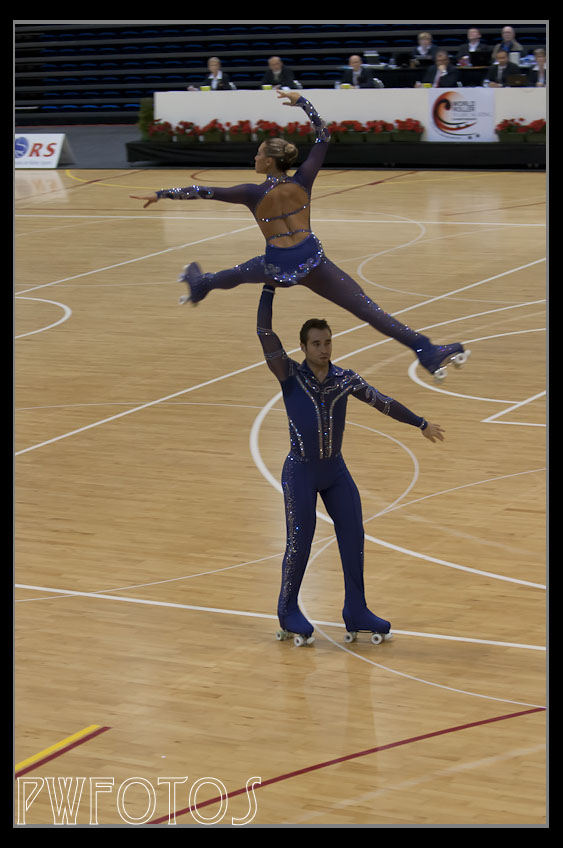
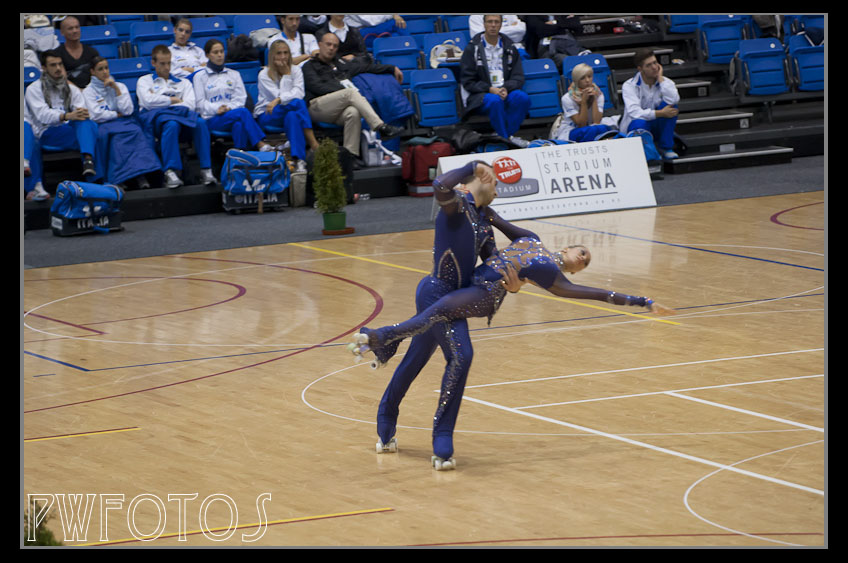
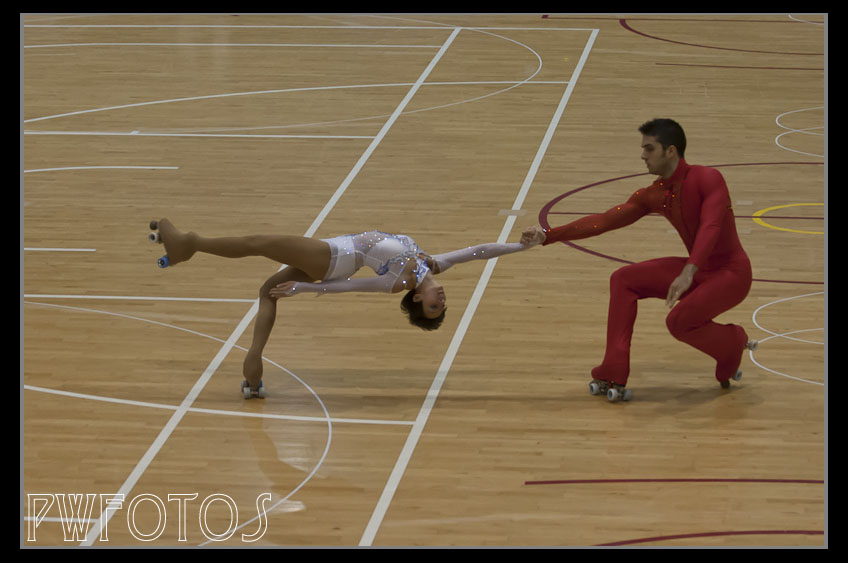
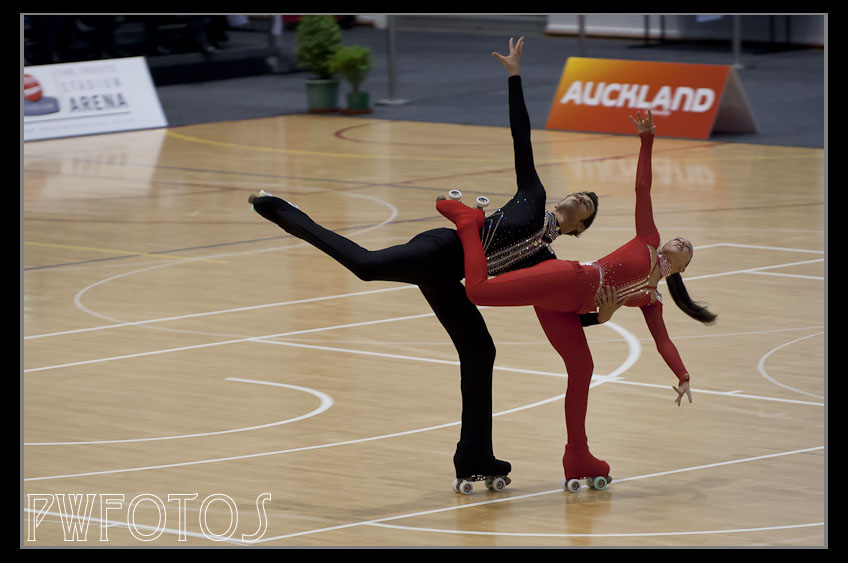
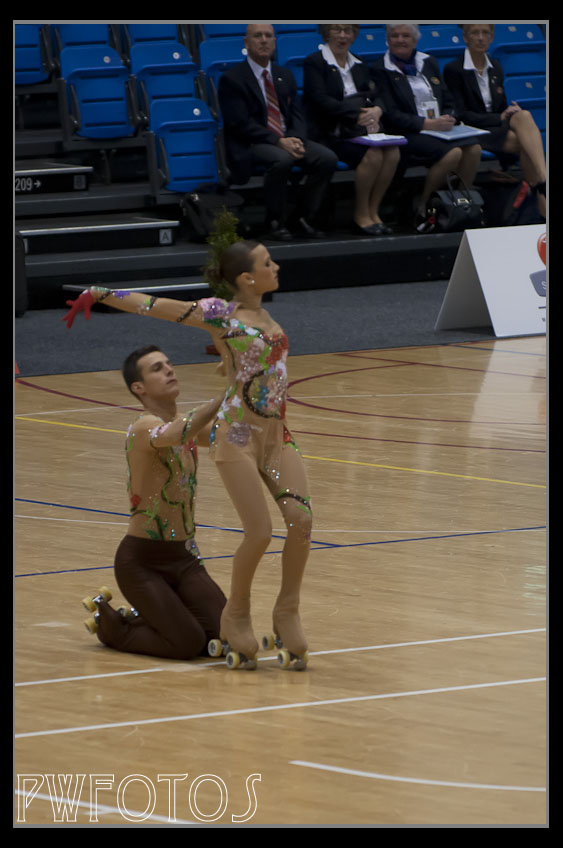
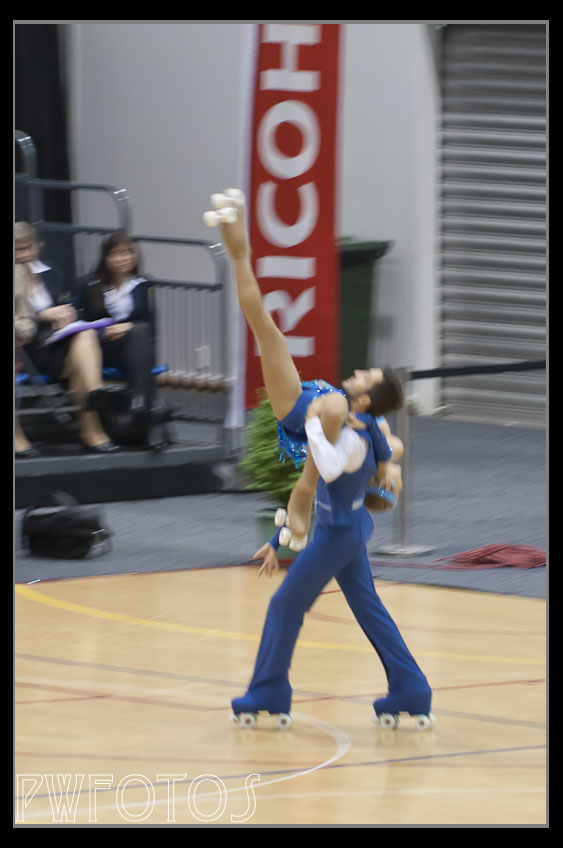
Over the last two weeks New Zealand has been host to the World Roller Skating Championships held at the Trusts Stadium in Waitakere Auckland. As my daughter is a keen skating I offered to take her up to the senior section of the tournament.

Now I have been shooting roller skating for the last 6 years but shooting these world athletes was another step up in challenge because they moved so fast. Most of the shots I took were from the dance and freeskating couples events as we don’t tend to see them in NZ.

In both competitions the events were dominated by skaters from Italy.

Below is a selection of the images taken over several night. I recognise that they are a little noisy but that could be helped as I had to have the camera on ISO1000 to try to keep the shutter at a reasonable speed. And that was even with using a F2.8 lens.

A photographic journey