The final ladder competition for 2017 had the set topic of “into the night” which screams out astrophotography. But it also meant that these were going to be landscapes, which is not one of my main shooting areas.
On a clear night I headed to Owhiro Bay on Wellington to do the shoot. I had planned on shooting an orb in the foreground but in the end that image was not as good as the one as a simple landscape. There will be a separate post about the night shoot and my painting with light attempts.
In the end I only selected one image from the shoot, and for the second entry went back to a shoot two years previous at the base of the Pencarrow light at the entrance to Wellington harbour.
Going into the round I was tied for first place with another club member, so we both knew the relative results of our image would decide who won the award for 2017 Advanced grade photographer.
As it turned out the judge must have liked my images as both received Honours, meaning that I have successfully won the competition for the second year in a row.
Saturday 19 October is World Photo Day, and this year Nikon New Zealand organised three events around the country each hosted by one of their ambassadors. Fortunately one of them is Esther Bunning who lives just over the hill in Greytown. She is a grand master photographer who runs a studio along with her husband Terry.
She is known for a very etherial style of shooting using natural light, double exposures and textures mainly captured in camera rather than in post. At the 2017 NZIPP Iris awards she took away the highest print score for one of her images.
Esther has organised three models for the day. Justine is a choreographer dancer who has been Esther’s muse for a number a shoots. With her were Keziah and Aislin.
She is mainly a natural light photographer so when the weather delivered a much better result than was forecast we all headed outside into a car park where some large blue containers provided an interesting background.
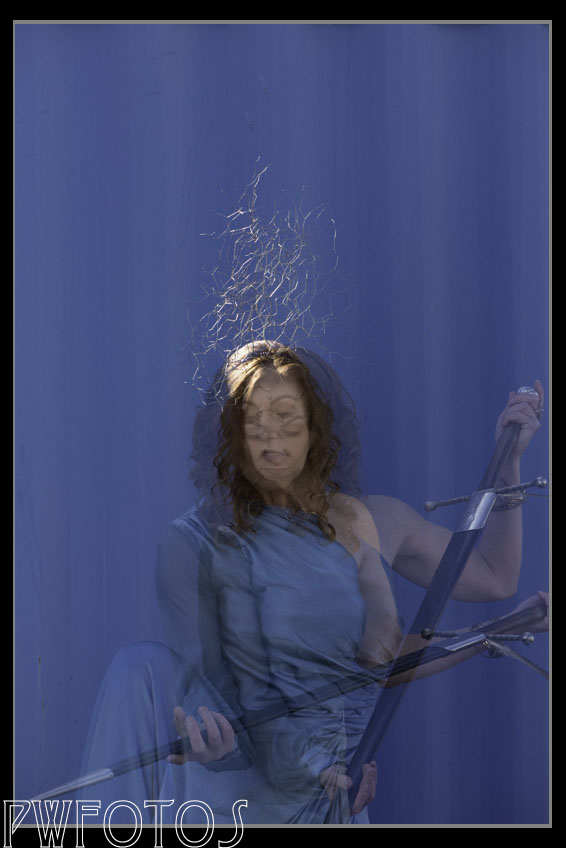
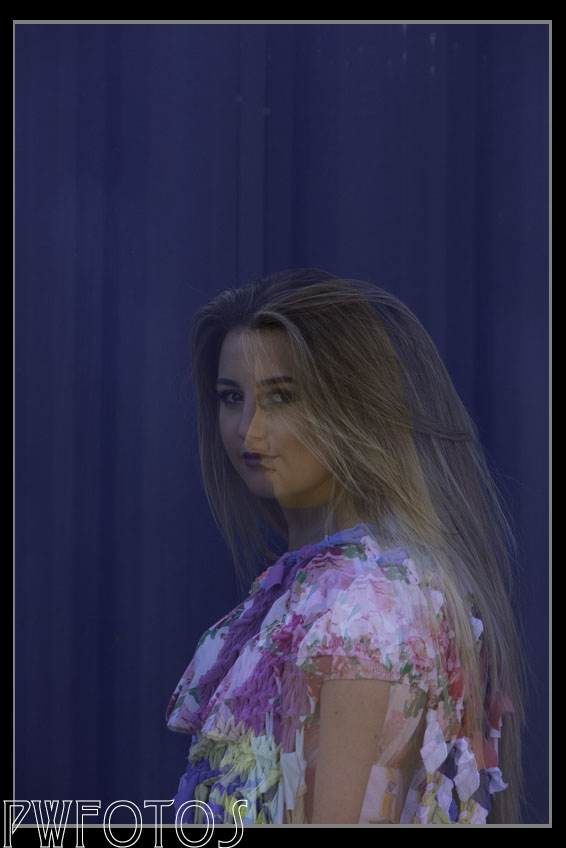
The idea was simply to play with different settings such a multiple exposures, and also putting stuff in front of the lens to see what would happen. This is really experimental shooting as you are never really sure what the result will look like before you shoot it. It is also stuff where you will be fooling the cameras metering and focusing so it all done in manual modes.
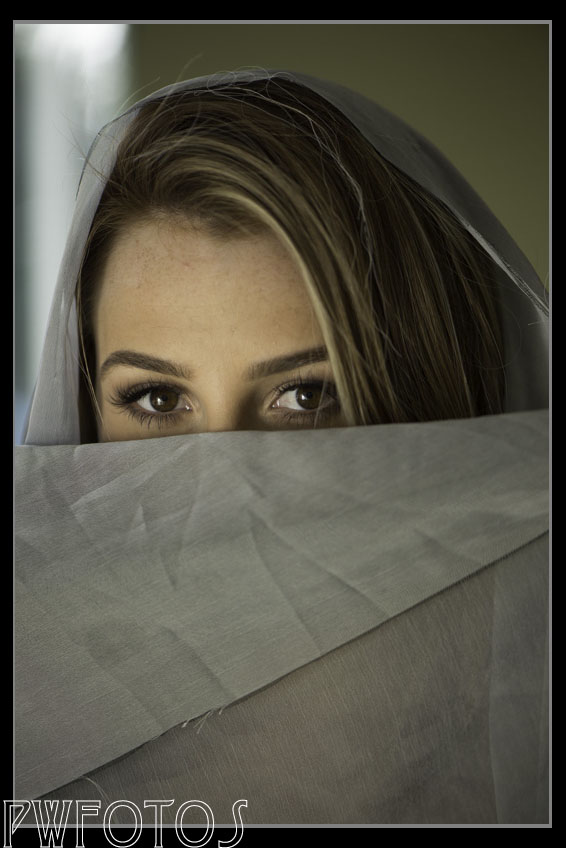
Double exposure as Justine dancedDouble exposure with AislinUsing a small piece of glass to create an interesting effect with KeziahAislin in full leap
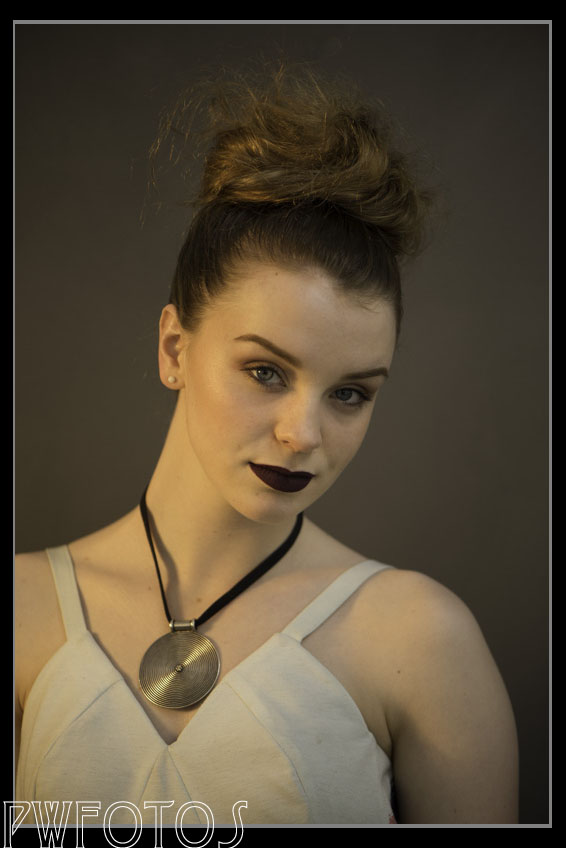
We then headed back into the studio where they had set up two full backdrops. One was right by a large window and so used natural light, while the other was using continuous light.
The shots in the studio were more controlled with the more constant light. I started out with more classical looks.
Creating double exposures using the lensbaby creates some interesting effects.
It was a great day and I hope that they do something like this again.
The Iris Awards are the annual measure of excellence for members of the New Zealand Institute of Professional Photographers. Over four days hundreds of images are graded and as a result the members of the NZIPP obtain the levels in their honours system.
When my image of the reflection did well in the Central Regional conference, Esther Bunning told me that she would nag me to enter into Iris, because she was convinced that it would do well. Although I am not a member of the NZIPP I could enter as they recognise my membership of the Photographic Society of New Zealand. It would just cost me more.
In the lead up to Iris a lot of the local sections of NZIPP arrange mock judging sessions where you can anoymously enter images and they are assessed by a panel of experienced members, some of who are the actual judges in the awards themselves.
So given the encouragement of Esther I decided to enter two images into the local mock judging to see how they would go, and I was really pleased with the result. Both images were received well by the judges and audience alike. They accessed that both could be in contention for a “High silver” which was awesome to hear. It was also great to hear the positive comments that were made as well.
While it would have been nice to have taken the images through into the actual judging life has intervened. There is real uncertainty about my job and I decided thati had better uses for the $410.00 that it would have cost to enter. Just knowing that they were of a high standard was reward enough.
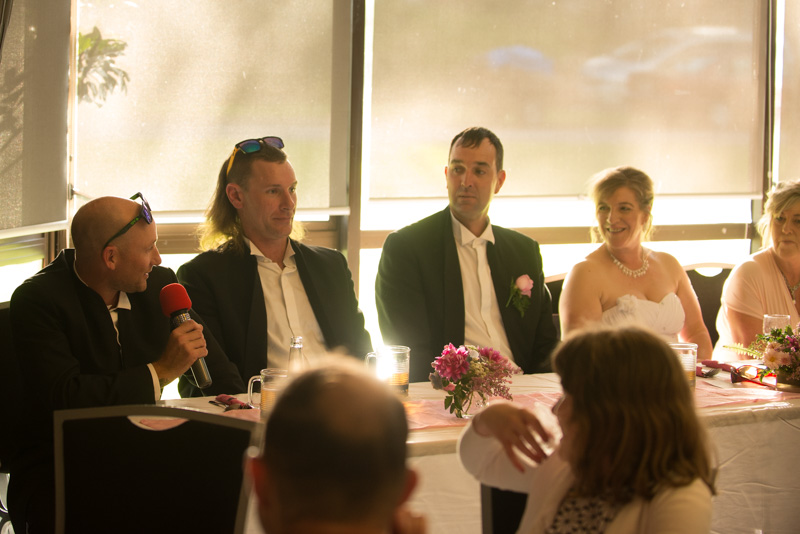
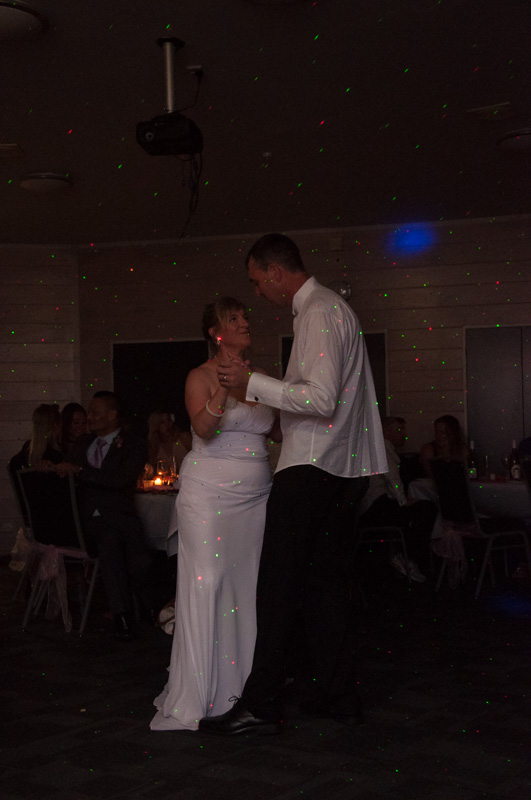
The wedding of Pamela and Pete took part over Easter weekend. Shooting their wedding was done as a favour for Olyvia (who had modeled for me at the Great Trentham Collaboration). Olyvia was Pamela’s youngest daughter and she had described as being an older bride.
The wedding and reception were to take part in a community hall in Paraparaumu. As is my practise I went to the venue the week before at roughly the same time, to ascertain what it looked like and what lighting conditions were. The venue was very plain and I knew that lighting would be an issue. Also there really was no attractive place for the photos. Forunately the beach was a stones throw away so that location was chosen.
The week before the wedding the remains of Cyclone Debbie hit the country with high winds and torrential rain. While overcast shies are great for wedding photos hurrican force winds and driving rain were not.
The night before the wedding that was exactly what persisted through out the night. Fortunately by morning the wind abated. We still packed the studio lights in case we had to shoot inside.
As it turned out that was not required and in fact we had the opposite issue of too much light outside. Inside the venue was a different matter. While the ceremony was taking place in a different place than I thought it might, there was no way to shoot in their without using flash. As a general rule I dont shoot flash at the ceremony.
As it turned out using flash caused an issue with the Auto ISO function on the camera and rather than helping it actually worked against images. Between the second shooter and myself we managed to get enough images to satisfy the bride and groom but not for our standards.
As is normal at weddings getting everyone togther for the groups shots at times resembled “herding cats” but we managed to get it done and then the formals at the beach went well.
The reception was the usual busy affair however by this time the sun was low enough that it was actually coming inside of the building so we didn’t have to solely use flash.
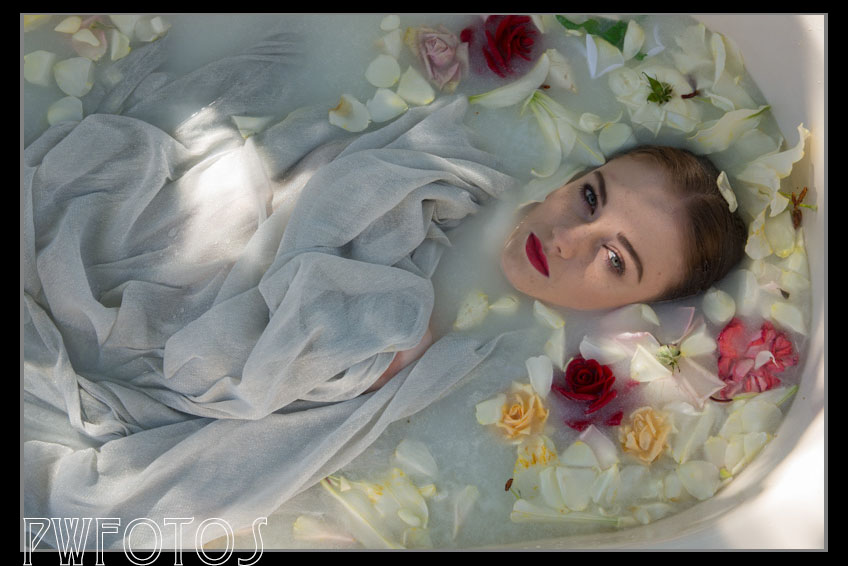
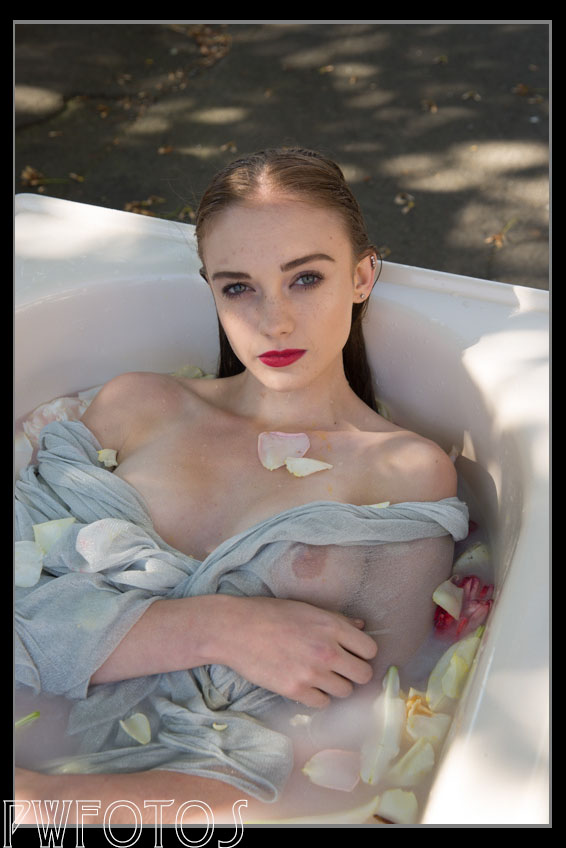
The final shoot of the day was with Jess Boyack. By the time of thinking about the shoot I think everyone was exhausted. With no outfits booked we decided to make it a bath shoot and use a simple length of material for cover.
The bath in question was on wheels and it was moved into position in the carpark mid afternoon with the hope that the sun would warm the water up. That was of limited use and despite the addition of a couple of jugs of hot water it was fairly cold.
I ended up grabbing left over flowers from another shoot and by the time we shot had quite a number of people helping out.
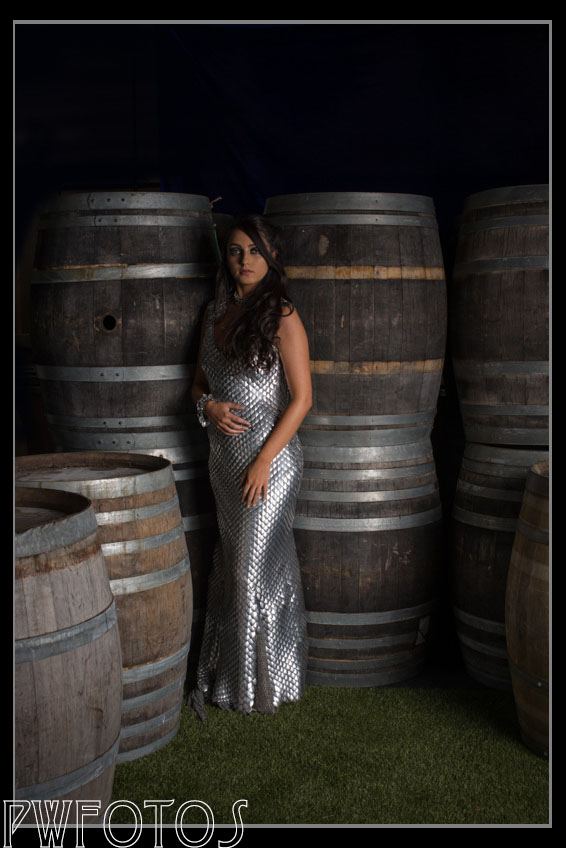
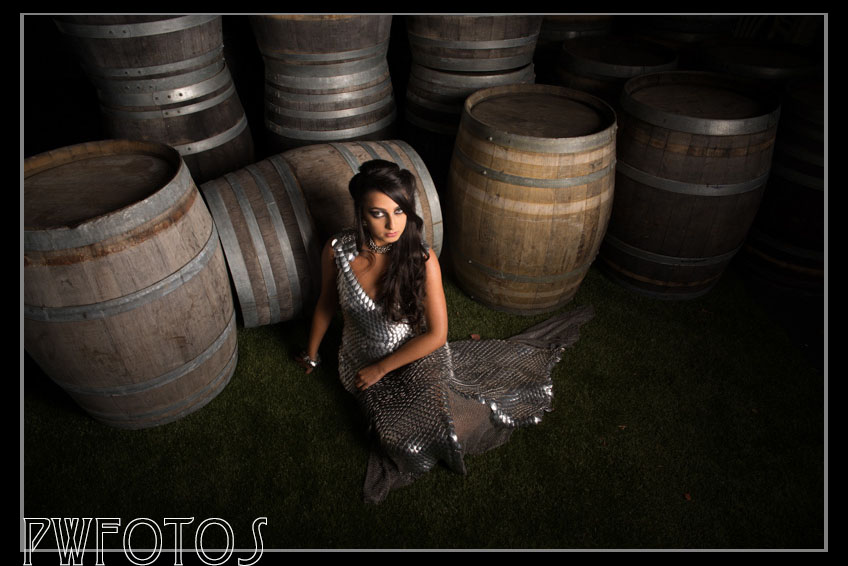
Jess Baider was the model for my third shoot of the day and for this shoot I wanted to do something different. Earlier in the day I had seen a dress design by Jen Carlton made entirely of metal, and I managed to denogiate with the photographer who had it booked to use it first.
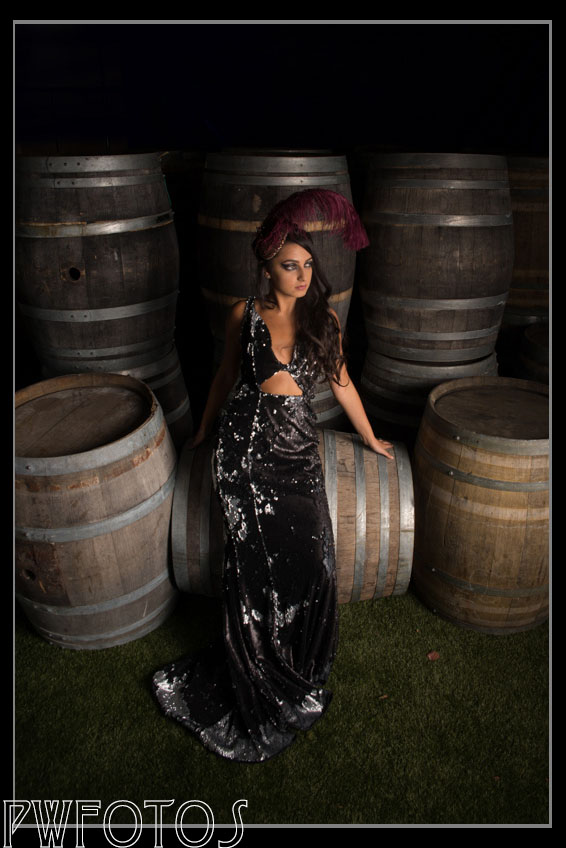
I also built a set using a whole lot of wine barrels. I had positioned a backdrop behind them to remove a rather ugly background. This proved to me almost a waste of time as the light falloff was such that it was almost in complete blackness.
I was using a single light with the 7 foot umbrella and a reflector to add in a little fill light.
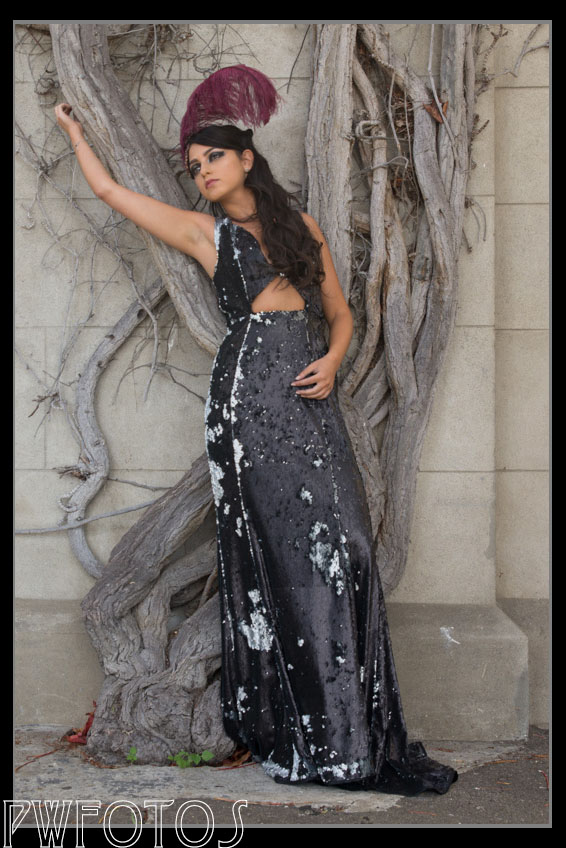
Part of the arrangement was to swap out the metal dress for a design by Evem and this was used in the second half of the shoot. We also ventured outside at the end of shoot for a little variety.
Credits
Model: Jess Baider
MUA:
Dress: Jen Carlton Leather & Hide
Headpiece: Black Widow Fascinators
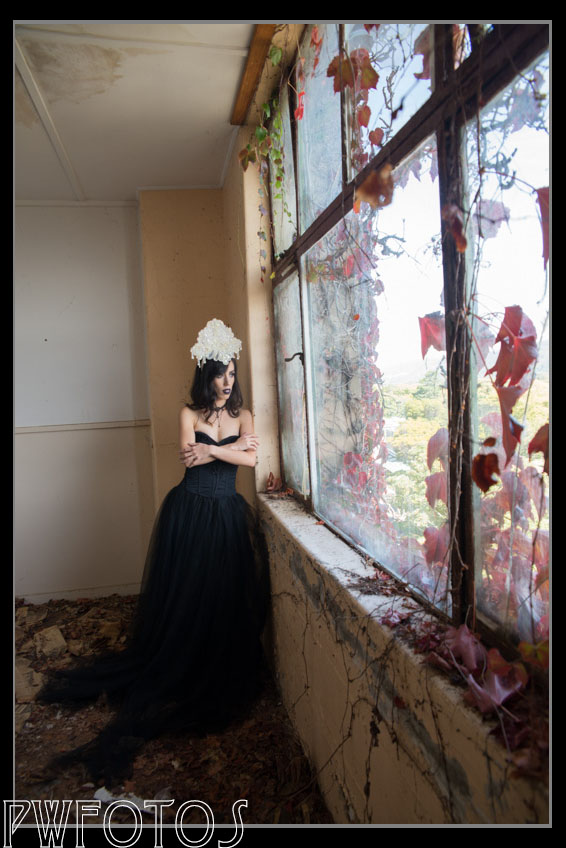
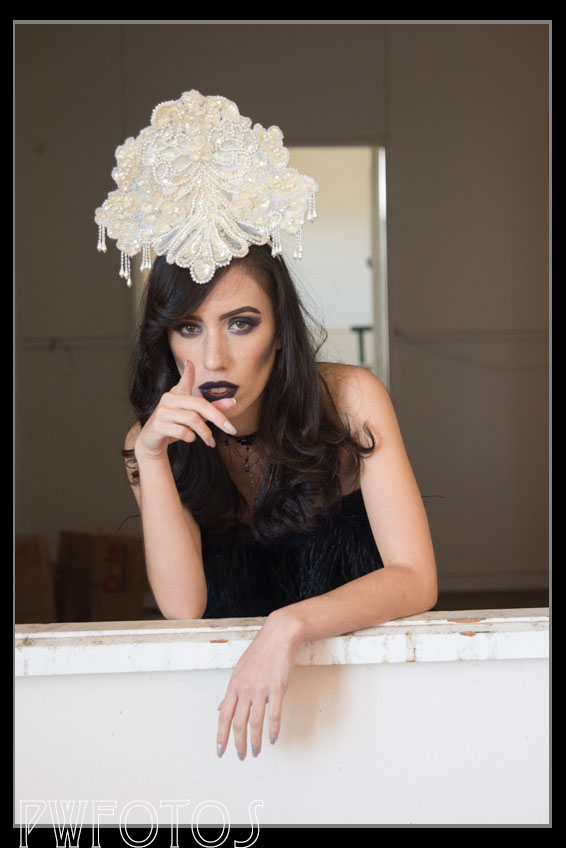
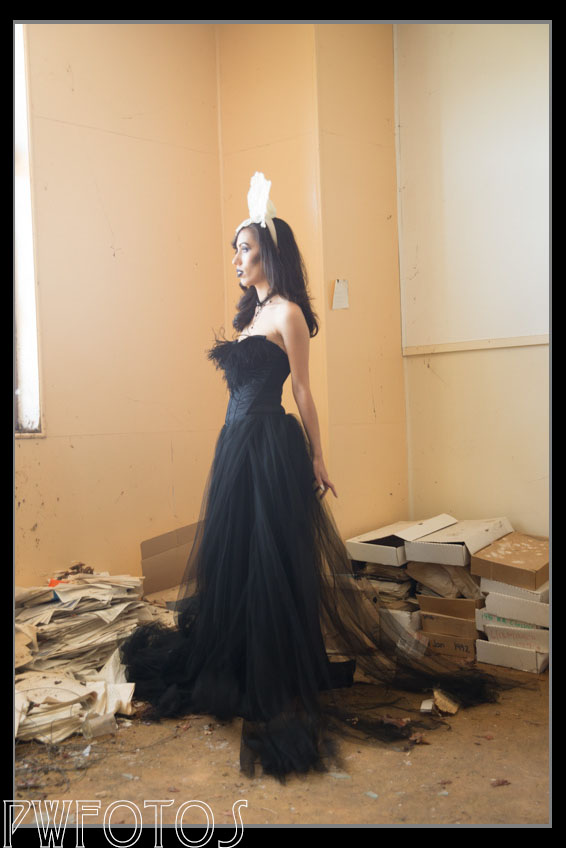
I had shot Hayley before as part of my honours set. When she arranged to use a gothic style dress then it was obvious that we were going up to the attic as it was the ideal location for such a shoot. That of course meant lugging all the light gear up four stories. I set up a small shoot area and decided to add in a couple of props of my own.
After working through several of the rooms up there we moved down to an open space at the top of the ramps where the ivy was changing colour. We also tried a number of images with falling leaves.
Credits
Model: Hayley
MUA:
Dress: Deranged
Headpiece: Black Widow Fascinators
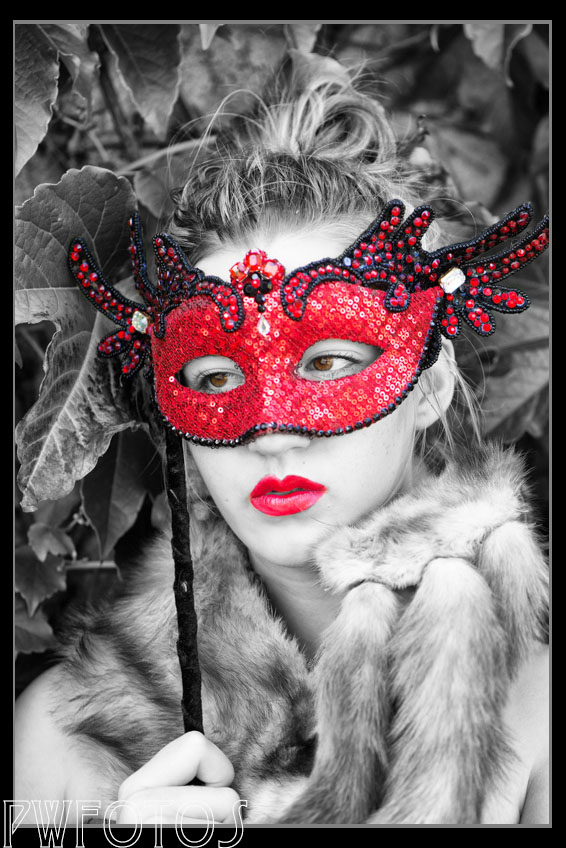
Model: Olyvia Mayhew Mask: Black Widow Fascinations
Day two of the Great Trentham Collaboration did not start well with my first model of the day being one of a number who failed to show up on the morning. There was also not the same level of energy level in the room.
Fortunately for me one of the other photographers in the room was in a similar position and so she agreed to be my model. I had brought along my own red dress and a few props and having checked that she was not averse to fur, we headed out for a couple of locations around the base of the main grandstand.
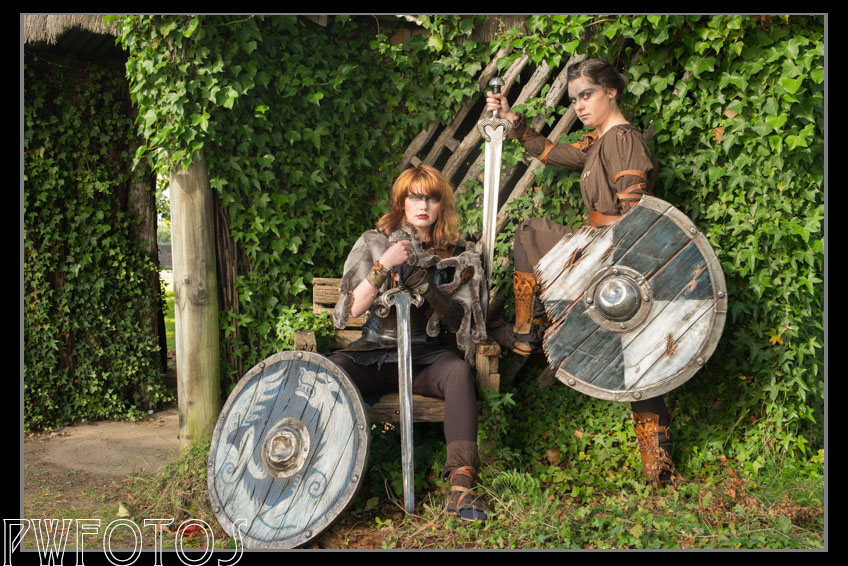
The final shoot on day one was with Moana. We had discussed a number of ideas with her and had planned for a two part shoot. The first would involve her in a Viking outfit from ckfilmdesign and the second was to be a bath shoot. Unfortunately Moana came to the event with a cold and so we scraped the bath idea.
The costumes from ckfilmdesign are amazing and Wikitoria did an amazing job of the makeup. As it turned out Jordan was also doing a similar shoot so I suggested to the other photographer that we could bring the two models together.
They even tried some mock flighting although I think that Jordan was more enthusiastic about the idea of swinging swords.
This year I submitted and was successful in achieving the licentiate level within the PSNZ Honours system. This was the combination of a number of years working towards the goal, although inconsistently. In this post I am going to give a fairly honest account of what happened along the way in the hope that it will help other people going for their honours.
I first got interested in applying for others in 2012 although I cannot remember exactly when. The convention in 2013 was going to be in Wellington and I always said that if I was going to the put the effort putting a set together that I wanted to be able to pick the certificate up in person.
By this time I had moved through the beginners and intermediate grades of the Hutt Camera Club winning at both levels. Based on the fact that a number of my images had got acceptance is in competitions outside of the club, and honours within it, I felt I met the minimum requirement set out in the guidelines. I also believed it when other photographers told me I was good enough to put forward a set.
As most photographers do when they begin this journey I downloaded the reference material from the PSNZ website. Unfortunately anyone who had read it will know that it can be extremely confusing at times.
I then went through my Lightroom catalogue and identified around 30 images that I thought were good enough for consideration. I was lucky enough to have Simon Woolf offer to assist me in the process and so one lunchtime I visited his Wellington studio with printed copies of all 30 images.
He laid them out over the floor of the studio rejecting quite a few, that I quite liked. After about 40 minutes we ended up with about four definite possibilities and a number of other images that even needed work or he recommended I re-shoot.
Even back then I had too much of confidence in my photography that I now recognize was bordering on arrogance. While I fully accepted that Simon had a lot of experience, I was not completely in agreement with some of the choices and changes that he was recommended.
Some of the selected images intended for the original set
At the same time there was a group of 12 other photographers at the Hutt Camera Blub who are working towards the L level. Despite being a member of the group, for some reason that I now cannot remember, I did not take the set much further. When it became obvious that a combination of the timing of the convention and the fact that I’m was not all impressed the speakers, I put the set aside and took it no further. The group was very successful and all bar one achieved their Licentiates that year.
The 2014 Malborough convention was occurring at the exactly the same time as my daughter was representing New Zealand in Roller Skating, so in the lead up to it I did not take the set any further.
However come September 2014, when the program for the Tauranga convention was released, I made the decision that I was attending and I decided to pick the set back up. Again I started with the ones that Simon had chosen and again went through the library catalogue for images shot in the last two years.
At the time it appeared that print sets had a higher success than digitals so I had every intention to submit prints. Unfortunately a series of home appliances failing around home in the December meant that this was not feasible and I would be forced to submit a digital set instead.
The problem that I was facing was that during the time since the discussion with Simon my photography had developed further and I had established that my main focus was with people. I took the set to a fellow photographer and we initially tried to integrate the old and new images but it became obvious that the old set did not represent my photographic style now.
Anyone with that familiar with the PSNZ honours system will know that there are several levels. The Licentiate is the lowest level. It is expected that you demonstrate proficiency over a range of photographic skills. At this level a theme is not required. The Associate level is at a higher level and does operate on a theme. There is no requirement to have one level before moving onto the next, and there have been a number of photographers who have been successful got their Associate without first achieving the Licentiate.
It became obvious that with the images we were now leaning towards were following a theme and my friend was of the opinion that my photography was strong enough to submit an Associate set.
Taking their advice we ditched virtually every image from the original set and selected 12 images that I believe ran together. We structured the set so that it flowed with the use of colour.
One of the recommendations in the guidelines is to seek advice from a number of people with regard to your set. I approached Bruce Girdwood who at that stage was just a member of the judge accreditation panel, and he agreed to look at the set.
He came back with the honest advice that the set was not strong enough for the Associate but that there was a possibility to make a Licentiate set out of it. We agreed to drop two images and he also recommended tweaks to a couple of other images.
It is at this point that I know I made a fatal mistake. When submitting images for competitions you should not be so in love with them that you cannot see the flaws nor take advice about them. As far as I was concerned I had selected 10 great image, the colour provided a flow between the images and I could easily reel off the various approaches that were taken amongst the ten.
This slideshow requires JavaScript.
My expectations for success were so high that I actually started mapping out the images that I was going to shoot that year to submit for an Associate. It is therefore hit me like a lead balloon when I opened the letter from the Honours Board telling me that I have been unsuccessful. The letter contained the following explanation:
“The board felt that the theme dad distracted the photographer from the requirements for Licentiate as set out in the guidelines, namely those relating diversity of approach etc. to demonstrate overall competence with the camera. Your individual images are mainly of a very good standard, but each did have some small fault apart from 9 which was considered to be especially strong. The last image was considered to be out of context with the rest of the set and the weakest one was identified as Jelly Belly, where the arm and pillo beyond the torso are distracting and the composition generally is not strong. You are clearly a competent photographer of the subjects you have shown but the Board would like evidence of that competency in other disciplines.
The letter made me real angry. The only thing that you could call a theme was that all of the images were of women, but there was diversity of approach. That anger continued through to the convention when I saw the successful sets. It became obvious to me that the Honours Board viewed diversity as being someone who shot different genres. When you are in negative space you also look at other people’s images and see the flaws and wonder how they got through.
About a month later after the convention I was able to get some further feedback from a person present at the judging. This strictly breached some protocols but at least it let me see where I had gone wrong.
The problem started what the very first image and then went downhill with the second one. This image was titled Jelly Belly and it hangs on the wall in my bedroom. I really like this image so much that I actually ignored separate comments from both my wife and a fellow club member that there were issues with. Unfortunately by the time your first two images have been marked down the set is pretty much over.
Now some people have the ability to pick themselves back up again and try the next year. Well I would like to think that was me, but the reality was that it wasn’t, and I did not do anything else leading up to the 2016 Convention in Queenstown. However seeing the honours suits on a wall there inspired me two again try. But time I was going to go right.
In May 2016 I had the opportunity two take part in a photographic exhibition with my wife at the Odlin Gallery in Lower Hutt. In preparation for that I purchased 12 brand-new mattes with the intention that they would be used once for the exhibition and then again for a print set in the Honours. The majority of images within the exhibition were street scenes shot in various countries you have visited earlier in the year.
After my previous disastrous effort this time I have decided to not only take advice but to take it early enough maybe would make a difference. As Bruce Girdwood had been appointed to the Honours Board I approached another member of the Judge Accreditation Panel (Shona Jaray) to see if she would help. So on a Saturday morning in July I travelled to her farm in Waikanae with a set of 12 images that I hoped would be the base of a new set. Others were still encouraging to go straight for the Associate but the first meeting with Shona dispelled that notion.
My initial idea for the set was still too stick within the genre pf people but too separate the images quite clearly into separate groups such as conceptual, straight and classic portraiture and Street Photography. This fell apart when she assessed that none of the street images were of a high enough standard to be acceptable. By the end of the session we had five images that could possible make the set.
Fortunately Shona has good contacts on the Honours Board and was able to confirm for me that diversity was not restricted to different genres, but if you were shooting in one then you had to show different approaches. As I spend just about a hour a week watching Youtube photographic videos, were was no shortage of ideas to try.
As it would happen on the way back from Shona’s place we stopped for lunch at a small cafe. The owner and location was so brilliant that I asked if I could photograph him and that image ended up in the final set. I knew that the images we had selected meet the standard portrait style so it was now time to look for the alternatives.
After seeing a video on using long exposure with studio flash, I booked studio space on two occasions to try this approach with different models. (You can read about the first shoot here and the second one on this link). Then during a Lindsay Adler video she used a macro lens for portraiture I decided to see what I can could create. The result was a striking image that you can read about here.
In September I was also fortunate to be able to attend a workshop at the regional convention run by Esther Bunning on creative portraiture what the models present I had a play in capture camera double exposure. You can read more about this here)
All through this period I was also submitting images that I was considering into both club and local competitions to see what reactions they received. I was also taking into consideration comments that the judges made. For example on image was flipped in the final set as a judge said that it made a better composition that way.
This was the original “face in the cape” image
Come November I figured that my set was finished and I had an arrangement of 10 images sorted. Shona was unavailable at this time so I sort the advice of fellow club member William Wright. As before I took full size images around to his place.
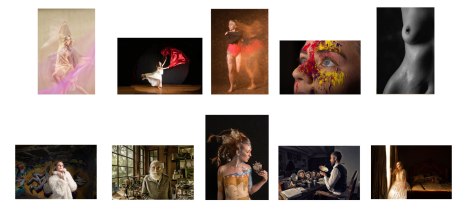
The set that I had settled on
He was generally happy with the set however he was initially concerned how the image “Late for the Ball” (Bottom row second from left) fitted in with the others.
The image has been in the set right from the start. However as Shona had also expressed a similar comment, the image was pulled. This is despite the fact that this image had won a merit at the Central Region 2 years before.
William suggested that I should bring a black and white image into the set and I decided that a nude would be a good addition to the set. Bringing in that image into the set required a little shuffling round.
I thought that at this point we were almost there but then William pointed out that there was an issue in the last image on the top row. There was a line running down the image, as well as a white object in the corner that was distracting. The line was actually the corner of the pillar.
I made several attempts to fix the image in photoshop but in the end decided to replace it with a image taken of Sian at a body painting event, however that agains required some adjusting in the layout.
I initially came up with this layout, however when we looked at the colour tones decided that the black & white nude suited the bottom row than the top.
It was a long process, and along the way a lot of highly successful images were considered and rejected. In the end it worked because my set was one of 40 successful ones. Given that there were 100 sets up for consideration I was extremely happy with the result.
 The final ladder competition for 2017 had the set topic of “into the night” which screams out astrophotography. But it also meant that these were going to be landscapes, which is not one of my main shooting areas.



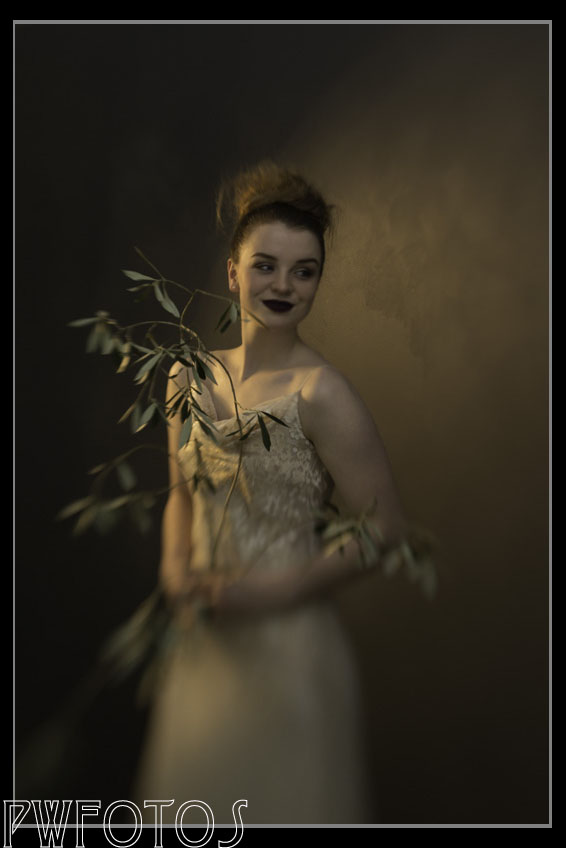
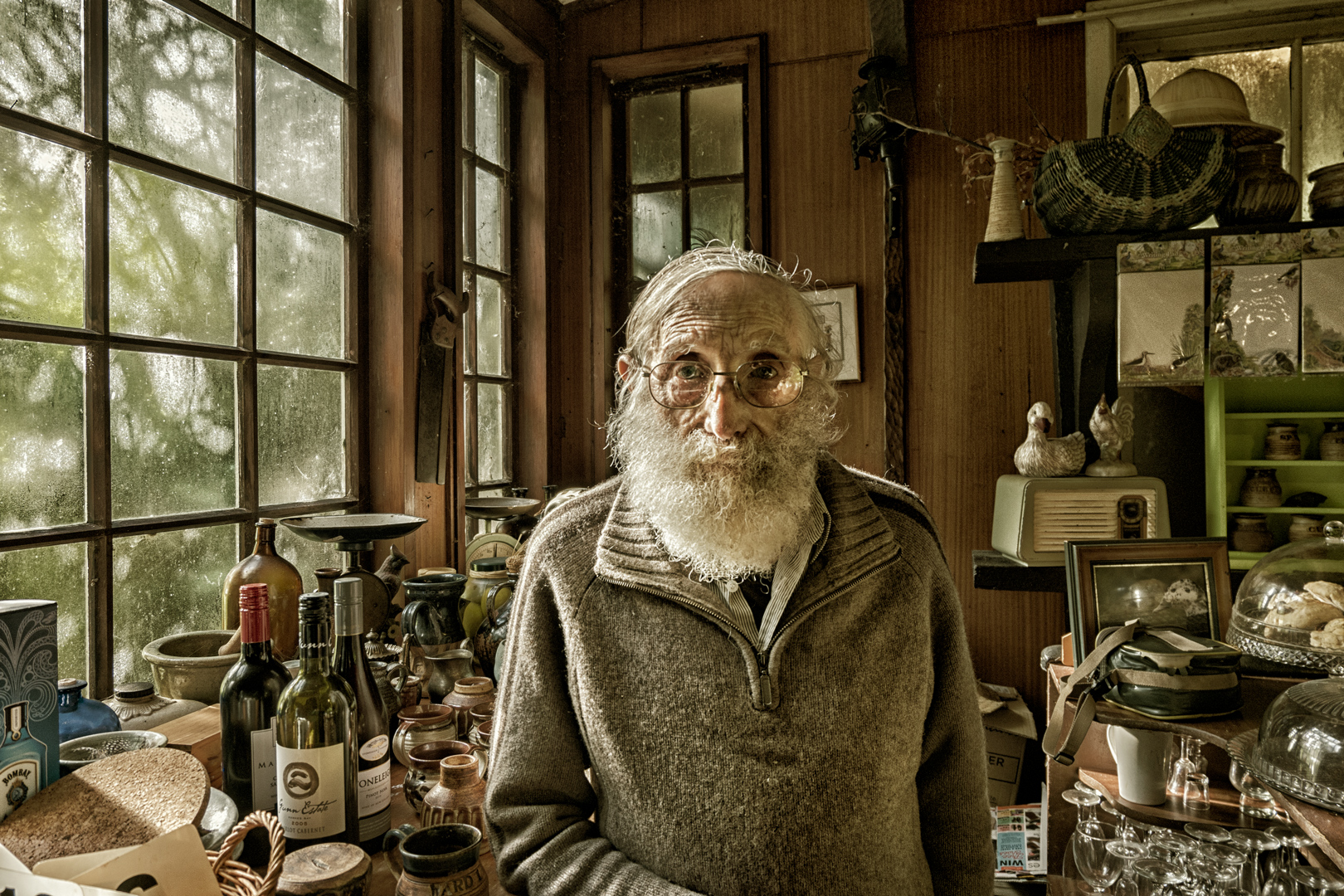
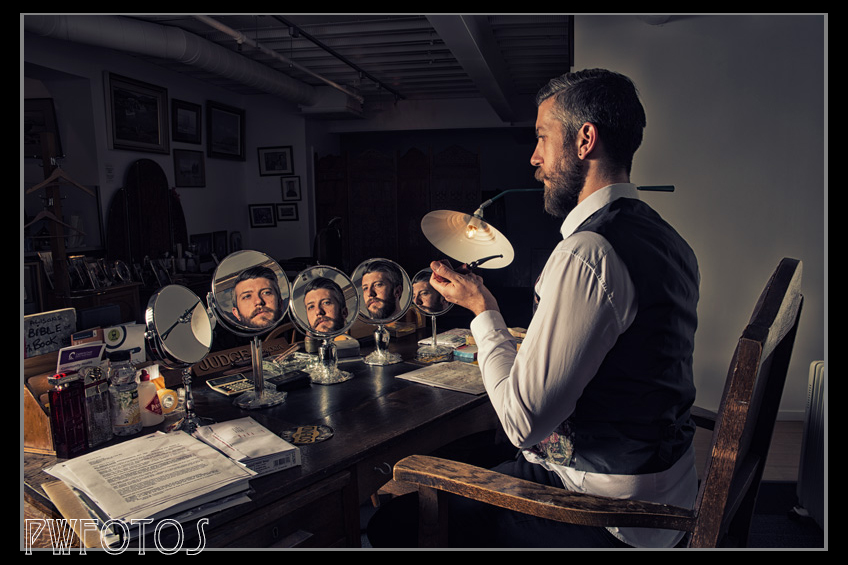


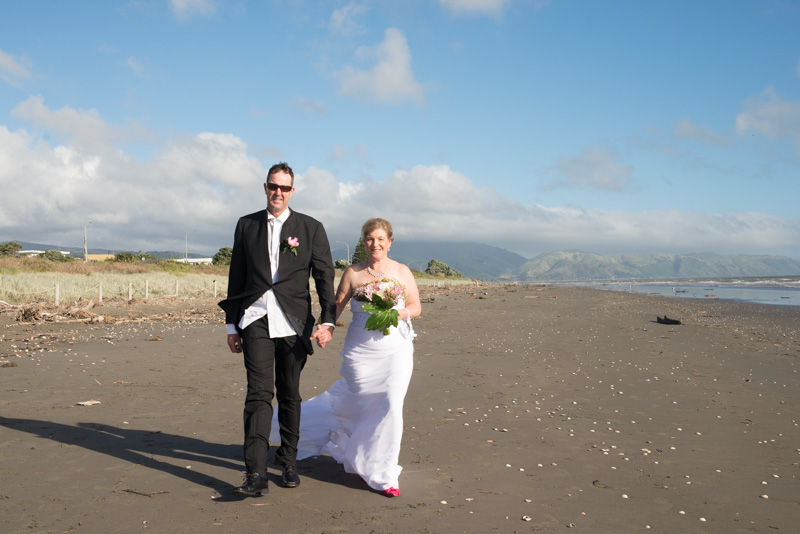






 This year I submitted and was successful in achieving the licentiate level within the PSNZ Honours system. This was the combination of a number of years working towards the goal, although inconsistently. In this post I am going to give a fairly honest account of what happened along the way in the hope that it will help other people going for their honours.


 The image has been in the set right from the start. However as Shona had also expressed a similar comment, the image was pulled. This is despite the fact that this image had won a merit at the Central Region 2 years before.

 pwfotos