Category Archives: Competition Entries

Success at 2012 Wellington Interclub

Third in Urban category

Every year the six photographic clubs in the Wellington area hold an annual competition where each club enters one image in each of ten categories. The 2012 competition was organised by Wellington Photographic Society and held on August 23rd.

My images were selected by the Hutt Camera Club to represent them in three categories  namely

  • Urban
  • Red, Green, Blue
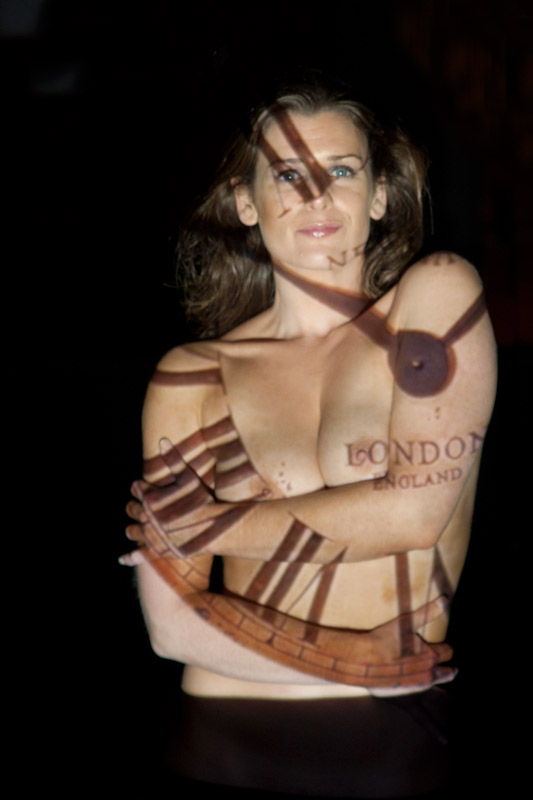
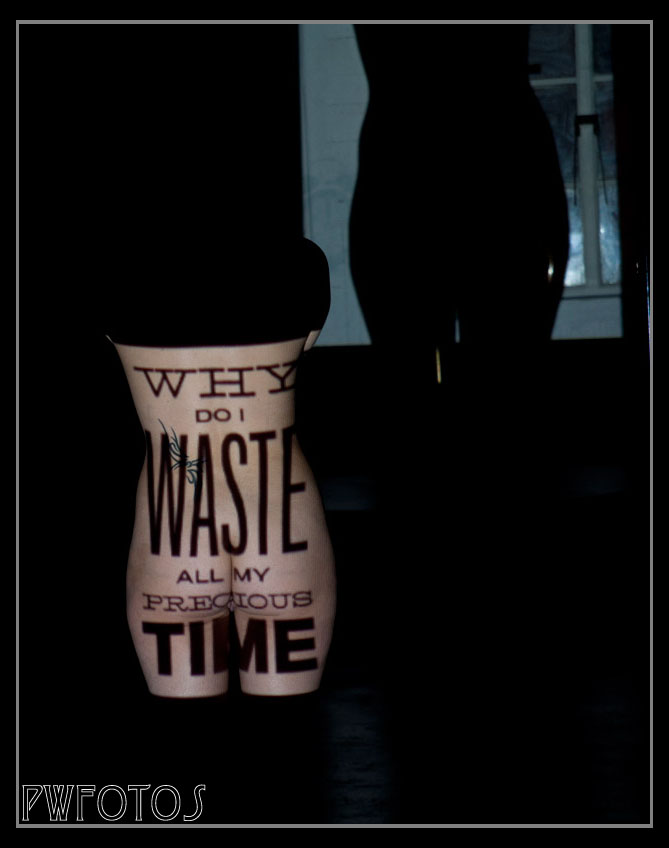
  • Time

I was delighted that on the night they all did very well. The image in the Urban Category (right)  came 3rd while the images in the other two categories (shown below) won.

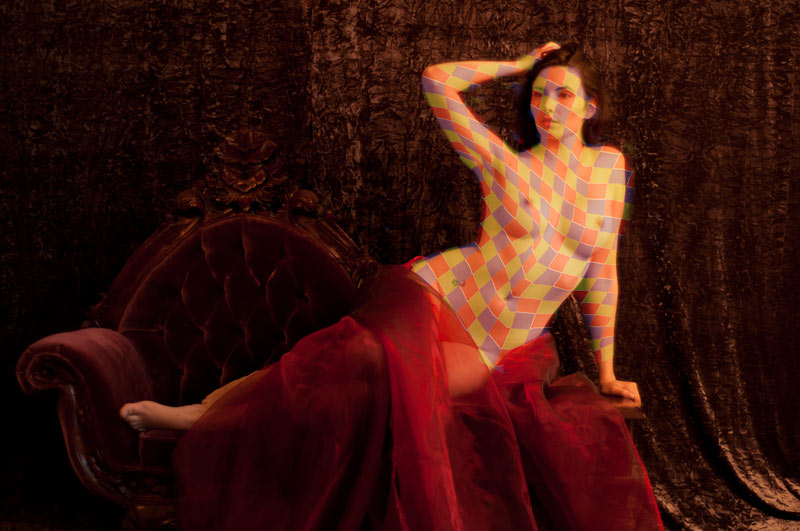
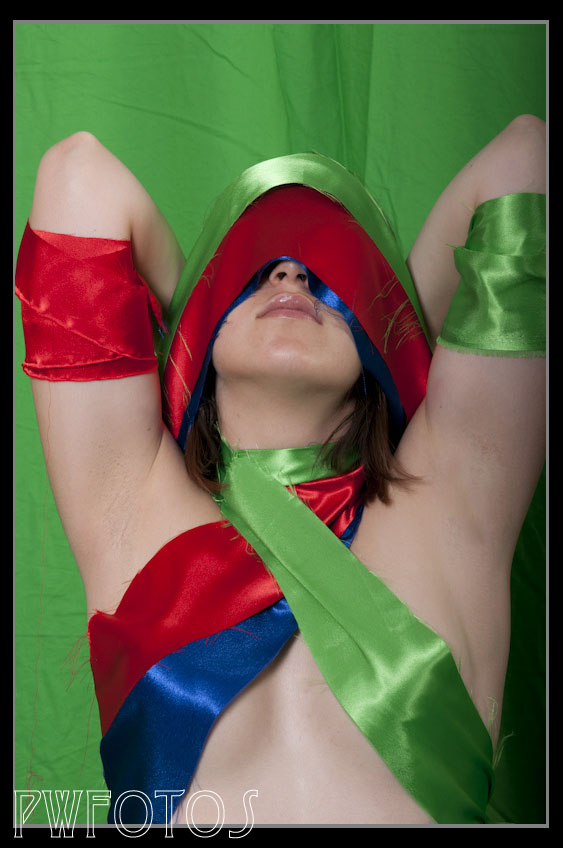
Winner – Red, Green Blue category

In speaking to the judge afterwards it was apparent that I had been able to create images that created an immediate reaction with the viewer, and which grabbed their attention. This was exactly what I had wanted to achieve.

The shot entered in the urban category was shot in Auckland when I was attending a conference there. It was not specifically shot for the contest but was rather in series I took as part of my “photo a day” challenge. It was taken in the top end of Elliot Street. The staircase so much reminded me of all the television series set in American cities such as New York or Chicago.

The shots in the other two categories were specifically shot for the competition. This blog already contains background information on both images which you can find under RGB, or Time.

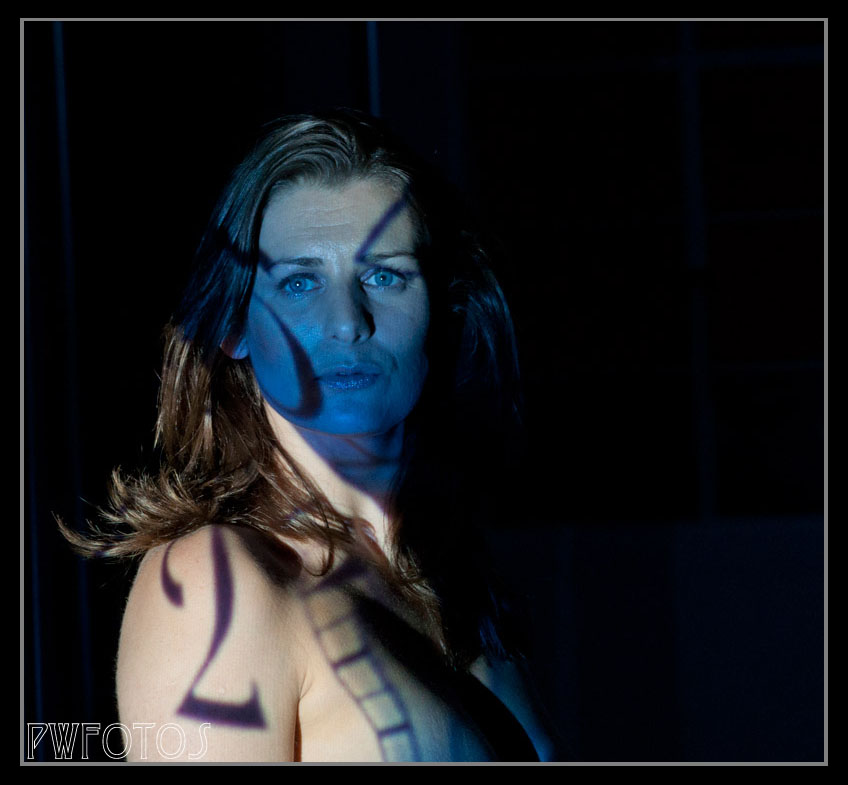
Winner – Time category

The final shot above was actually modified right at the end because after I printed it I decided it needed some added punch. That was the change the eye colour to blue. This proved to be a correct decision as the judge commented that it was the eyes that drew the viewer into the image.

These shots were a very collaborative process and I want to express my thanks to Maya and Freya for modeling for them, and special thanks to Sharyn who assisted with some of the post production on them.
Red, Green & Blue

If you know anything about colour theory then you will know that Red, Green and Blue are the primary colours. All other colours can be created from them and if you meet them at full strength you end up as white. They are the main colours that you see on all electronic devices.

Red, Green & Blue was another of the topics in the 2012 Interclub Challenge. I decided very early on that I want to show the colours merging into white as one entry, and that I wanted to use a model. The original concept as shown in the photoshopped image was discussed with a makeup artist, and I had a model agree to do it. It never came to fruition as it was going to tie people up for too long and also be expensive.

It was then that I say an illustration that used fabric and when I showed it to Maya (my model) she loved it.

Now ribbons are also expensive but I managed to find satin material that I could cut up and then press ganged my daughter into sewing together into long ribbons. This gave me more than enough material to play with. The only draw back was that the satin freyed and so left little threads everywhere.

We decided that we were going to shoot two different concepts. The first would be similar to the illustration and we would simply deploy each of the ribbons in a light wrap. This is the shot that came about from that concept.

Then in the second series I would bring in the concept of the colours mixing into white. I had obtained a full white mask and a white wig. Maya was very accommodating because it took me and her friend Holly nearly 15 minutes to completely wrap the ribbons around her. It probably would have not been that bad for her if we had not started by putting on the mask & wig.

The final image was manipulated a little in photoshop to really make it “pop” and I hope that it has the dramatic effect I was after.

Time

Composite images in Photoshop are relatively easy, but I wanted to see how challenging it would be to create something in camera. The opportunity came up when I was looking for images to submit into the 2012 Interclub under the topic of “Time”.

How do you represent a concept like time in an image. I did not want to shoot photos of clocks and hourglasses because it had been done to death. It hit watching tv one night when a number of ads droned on about products to stop the effects of aging. Let’s show time on the body but in a literal sense.

I would do this by finding a model willing to pose nude and then I would project images of time onto them and record the result. Admittedly I “borrowed” a number of images from Google searches. I met Freya via Model Mayhem and she had no problems being my subject. We set up a projector as the only light source in her pole dancing studio and with the camera on a tripod I encouraged her to simply move around. The images rotated through a slideshow and after some attempts we managed to get a series I was happy with.

The most difficult thing with the shoot was getting the focus right as Freya was moving and there was not a lot of light for autofocus to lock in on, but by the end of the evening we had more than enough usable shots to use.

Expressing Music

One thing I enjoy about competitions like the Wellington Interclub is the challenge of producing an image that will demonstrate a theme.

In this years event one of the themes was “Music”. But how do you display visually something that is what we hear, and not see.

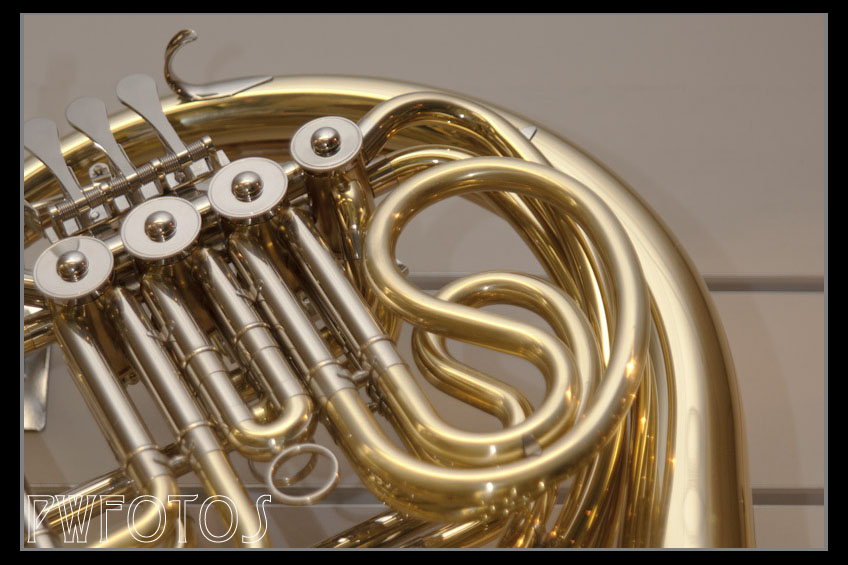
The answer came as I wandered through the bottom level of Grand Arcade and found a shop that sold and repaired wind and brass instruments. I plucked up the courage to ask if they would let me shoot in their shop, to which they replied “no trouble”. The following images came from that shoot.

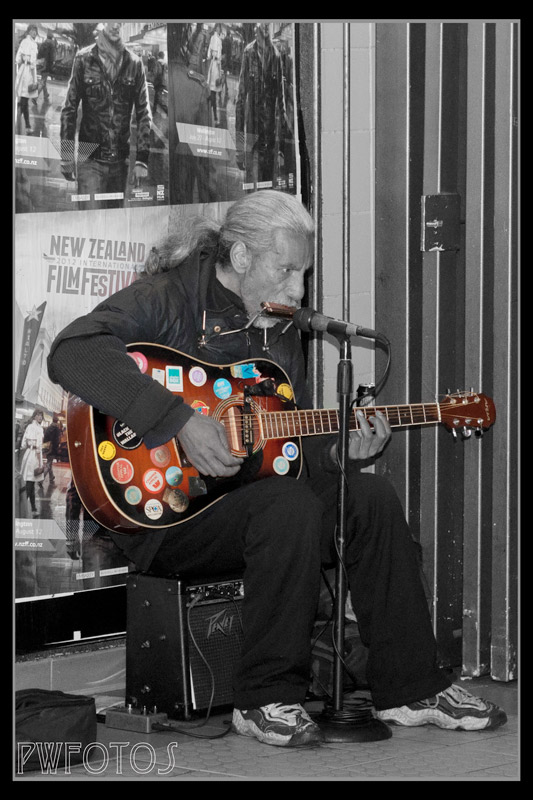
I was happy with these shots but I still I think that they lacked something so the next day I spotted a regular busker at the railway station I took his photo. I decided that to make it clear that the subject was about the music I would use selective colouring on his instruments.


Turning Nature into Abstract

Abstract Photography is an interesting area because it is often quite difficult to understand. One explanation is that if you can recognise the object being photographed then the image is not abstract.

While this may be true it is quite possible to produce abstract images from very recognizable objects simple by getting in very close.

The shot below was taken of a spider web that has collected the morning dew. It was shot with a standard lens in as close as i could and try to time it perfectly so that no breeze was present.